
An Impossible Nightmare in 1982
In March 1982, the heavy metal world shattered. The tragic passing of classical-metal pioneer Randy Rhoads left Ozzy Osbourne completely devastated, grieving, and stranded in the middle of a massive arena tour. Promoters were threatening multi-million dollar lawsuits if the Diary of a Madman tour did not resume immediately. Ozzy needed a savior, but the assignment seemed entirely impossible. The new guitarist would not just have to learn a complex, highly precise setlist overnight; they would have to step directly into the monumental shadow of an absolute guitar icon while performing for thousands of grieving, highly critical rock fans.
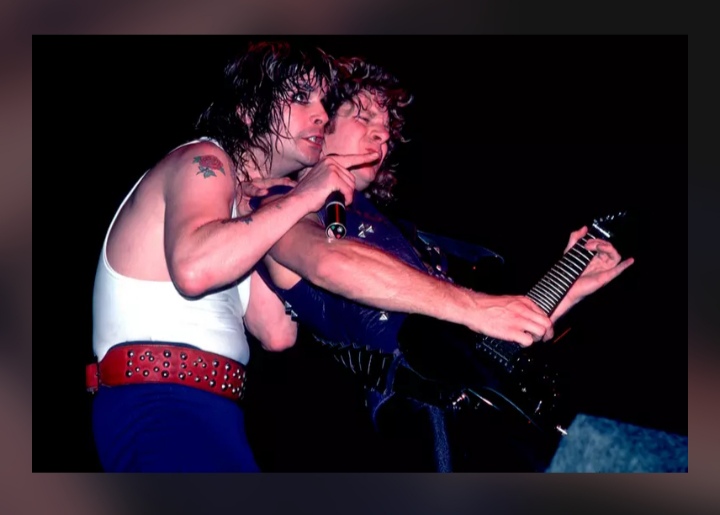
Enter Brad Gillis. Then an emerging talent from the San Francisco Bay Area band Ranger (soon to be renamed Night Ranger), Gillis received the high-stakes call that would forever cement his place in rock history. With minimal preparation, he accepted the challenge, packing his bags and throwing himself headfirst into one of the most intense, pressure-cooked situations in modern music.

Mastering the Rhoads Masterpieces Overnight
The transition required an unbelievable amount of raw talent and mental fortitude. Gillis was flown out to join the touring camp with merely days to absorb Rhoads’ intricate solos, classical structures, and unique tonal nuances. There was no room for error. Songs like “Crazy Train,” “Mr. Crowley,” and “Flying High Again” demanded absolute technical perfection and an innate understanding of heavy metal showmanship.
Gillis locked himself in hotel rooms, studying tapes relentlessly until his fingers bled. When he finally stepped onto the arena stage, the tension in the venues was palpable. Yet, night after night, Gillis delivered spectacular performances. He did not merely mimic Rhoads; he injected his own fiery, aggressive style and pioneering Floyd Rose whammy bar techniques into the set. His incredible precision and soaring tone kept the tour afloat, offering a vital sense of stability to a fractured band and giving Ozzy the emotional space needed to push forward through his immense grief.
Capturing Lightning on Speak of the Devil
Though his tenure with the Prince of Darkness lasted less than a year, Gillis left behind an indelible sonic document of his triumph: the 1982 live album *Speak of the Devil*. Recorded over two high-octane nights at The Ritz in New York City, the album featured a setlist composed entirely of classic Black Sabbath tracks.
On this live release, Gillis’ stellar musicianship truly took center stage. He transformed early metal anthems like “Symptom of the Universe,” “Iron Man,” and “Children of the Grave” into modern, stadium-ready masterpieces. His blistering speed, razor-sharp rhythm work, and innovative use of harmonics gave the classic Tony Iommi riffs a fresh, contemporary edge. *Speak of the Devil* proved to the music industry that Ozzy’s solo career was far from over, serving as the essential musical bridge that carried the band safely into its next major era.
Setting the Stage for Jake E. Lee
By late 1982, having successfully stabilized the ship, Gillis chose to exit Ozzy’s touring lineup to focus completely on his own band, Night Ranger, who were on the verge of massive commercial success with hits like “Sister Christian.” His departure opened the door for Jake E. Lee to step in as Ozzy’s next permanent, long-term guitar hero.
While history frequently focuses on the distinct eras of Randy Rhoads and Jake E. Lee, the critical transition between them would have completely collapsed without the heroic intervention of Brad Gillis. He was the unsung architectural bridge who protected a legendary legacy while setting a remarkably high standard for the future. By maintaining the band’s musical integrity during its darkest hour, Gillis ensured that the stage was perfectly set for Jake E. Lee to eventually arrive and conquer the rest of the decade.