
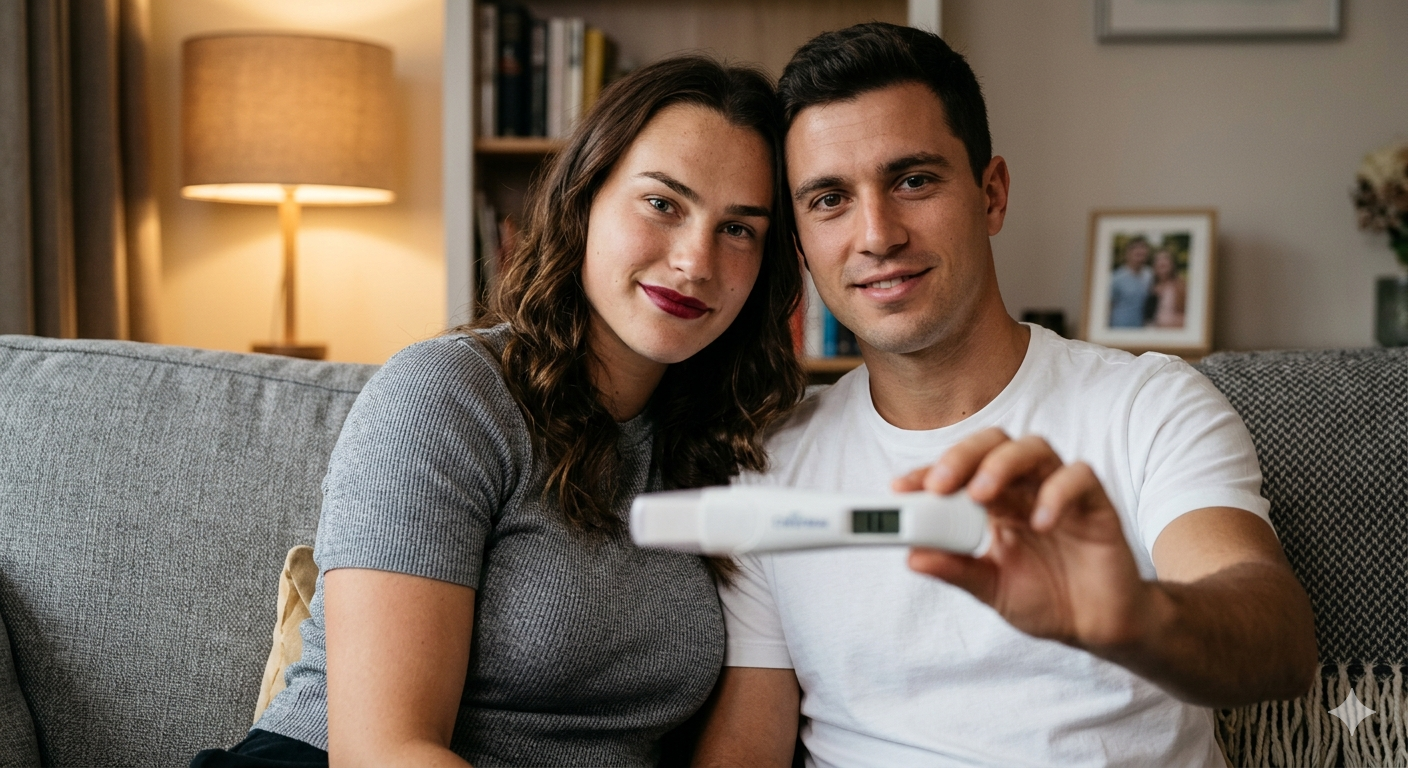
World Number Two Aryna Sabalenka has announced she is expecting her first child with partner Georgios Frangulis. The news, shared via a heartwarming social media post featuring the couple and a positive pregnancy test, has delighted fans globally but also sparked immediate conversation within the tennis community regarding the implications for her illustrious career.
This joyous personal milestone introduces a significant new chapter for Sabalenka, known for her powerful play and fierce competitive spirit. As one of the dominant forces on the WTA Tour, having secured multiple Grand Slam titles, including back-to-back Australian Open victories, her sudden, albeit happy, deviation from the rigorous tour schedule will undoubtedly reshuffle the women’s rankings and competitive landscape.
Historically, navigating professional tennis alongside motherhood has been a complex, though increasingly achievable, challenge. Trailblazers like Serena Williams, Victoria Azarenka, and Kim Clijsters have demonstrating that returning to the sport’s pinnacle after childbirth is entirely possible. However, each journey is unique, involving substantial physical recovery, logistical planning, and shifts in personal priorities.
Sabalenka’s fierce determination, a hallmark of her game, will be her greatest asset during this hiatus and potential return. The physical demands of her explosive style of play necessitate a meticulous postpartum recovery period. The timing of her return will be entirely dependent on her physical well-being and her desire to balance the intense demands of motherhood with the relentless tour schedule.
The WTA has made significant strides in supporting mother-players. The re-ranking process, which preserves rankings for players returning from maternity leave, and improved childcare facilities at major tournaments are positive developments. Nevertheless, managing travel, training, and competition while caring for a newborn requires immense support systems and resilience.
Fans and analysts alike will eagerly await updates on Sabalenka’s plans. While a temporary absence from the tour is certain, it is premature to speculate on the duration or the nature of her return. Her competitive drive suggests she may well emulate other tennis legends and mount a successful comeback. However, she could equally choose to focus primarily on her new family, at least initially.
Ultimately, Sabalenka’s announcement is a reminder that professional athletes are, first and foremost, individuals with rich personal lives. While the tennis world will miss her explosive energy on court during her absence, the overwhelming sentiment is one of congratulations. Whether she chooses to return and compete for more major titles, or prioritizes family life, her legacy as a formidable champion and a popular figure in the sport is firmly established. For now, the focus is rightly on celebrating this joyous news with her and Georgios Frangulis.