
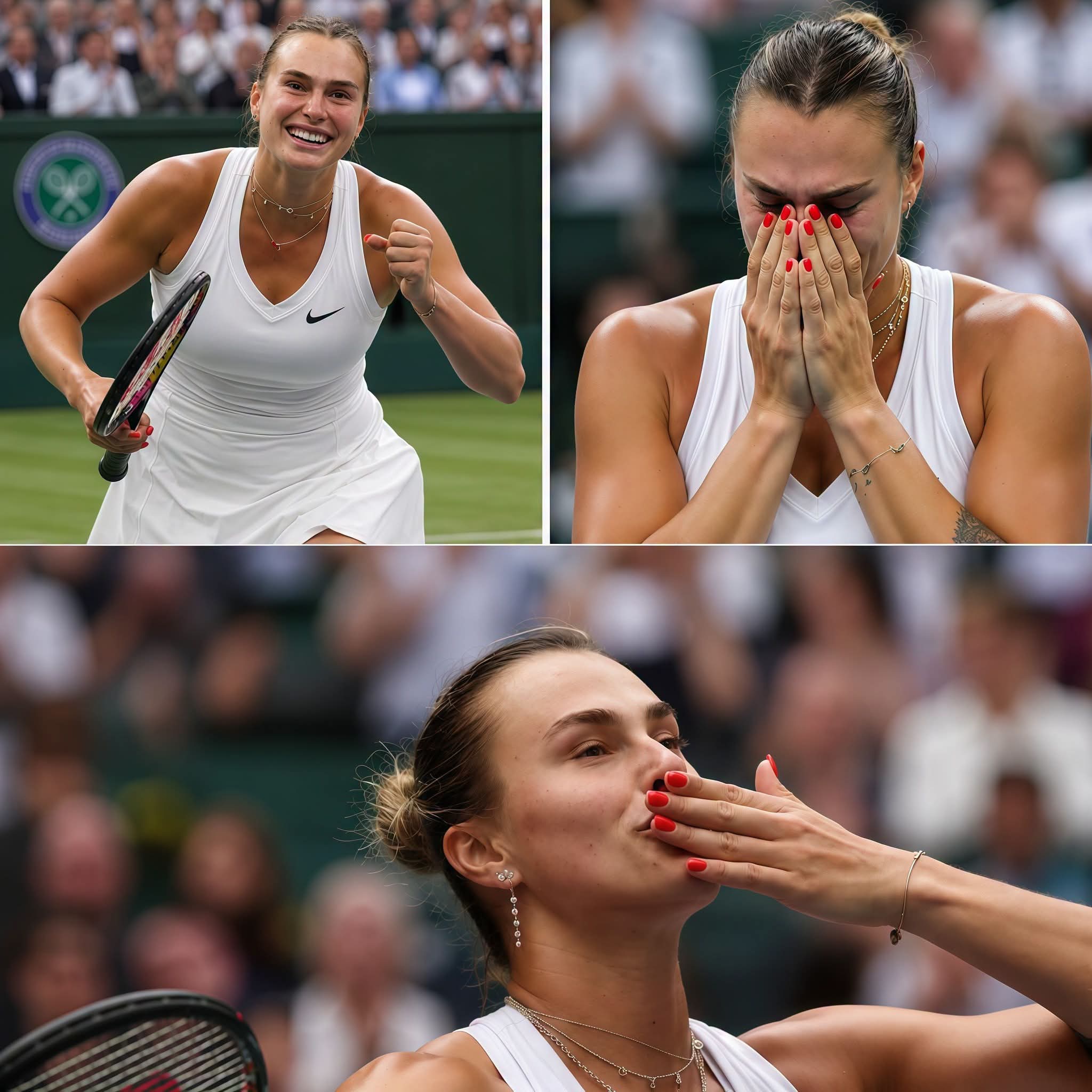
The red clay of Paris has borne witness to countless dramatic turnarounds, but few matched the sheer, agonizing implosion that befell world No. 1 Aryna Sabalenka during her quarterfinal match. Facing the 22-year-old rising star Diana Shnaider, Sabalenka appeared to have one foot firmly planted in yet another Grand Slam semifinal. Up a set and holding a commanding double-break lead at 4-1 in the second, the match seemed to be heading toward a routine conclusion. Instead, what followed was an unprecedented, 10-game collapse that left the tennis world utterly dumbfounded.
As gusts of wind whipped across Court Philippe-Chatrier, Sabalenka’s usually impenetrable game completely disintegrated. Shnaider capitalized brilliantly, displaying a fearless brand of aggressive tennis that slowly rattled the top seed. Sabalenka began racking up error after error, ultimately finishing the match with a staggering 57 unforced errors—17 of which arrived in a rapid, soul-crushing third set. When the final ball sailed wide, sealing Shnaider’s shocking victory, a stunned silence fell over the Parisian stadium. Sabalenka had not just lost; she had unraveled in a manner rarely seen from a reigning world champion.
The Haunting Silence of the Locker Room
While the crowd tried to process the dramatic turnaround, the real drama shifted away from the public eye and into the underbelly of the stadium. Reports quickly began circulating regarding Sabalenka’s post-match whereabouts. Typically, players follow a strict, structured routine after a defeat: a quick shower, a brief debrief with their coaching staff, and a mandatory appearance in front of the press. Sabalenka, however, broke completely away from convention.
According to locker room sources, the world No. 1 remained completely isolated for an extended period, far longer than what is considered normal on the WTA tour. Closed off from her team, her trainers, and tournament officials, she sat alone in her thoughts, reportedly reduced to tears. The prolonged silence fueled instant speculation throughout the corridors of the tournament. Was she injured? Was she experiencing a deep emotional burnout? The utter lack of an immediate explanation from her camp left fans and commentators wondering if this defeat had cut deeper than a typical bad day at the office.
Facing the Press in Total Disarray
When Sabalenka finally emerged from her self-imposed exile to fulfill her media obligations, the emotional wreckage was visible for all to see. The usually boisterous and resilient champion looked entirely spent, her eyes reflecting the heavy toll of the past few hours. When asked by the moderator to detail her immediate thoughts, she offered a raw, unvarnished response that sent shockwaves through the sporting community.
“No thoughts, no emotions. Just want to quit tennis right now,” Sabalenka admitted with a defeated shrug. It was an astonishing admission from a player who has spent years building a reputation as one of the mentally toughest competitors on the tour. She confessed to falling into a “very deep, deep, dark hole” during the final set, unable to find the mental tools required to halt her slide. The candid confession only amplified concerns regarding her state of mind.
A Deeper Battle Hidden From View
This historic collapse raises uncomfortable questions about the immense pressure riding on the shoulders of tennis’ elite. Sabalenka’s sudden vulnerability under the Parisian sky suggests that her battle was not merely against Shnaider or the swirling French wind, but an internal struggle against mounting fatigue and emotional strain. Navigating the brutal demands of the tour while maintaining the top ranking takes a heavy toll, and Paris may have been the breaking point where the cracks finally buckled under pressure.