
Modernizing Tennis Without Sacrificing Tradition
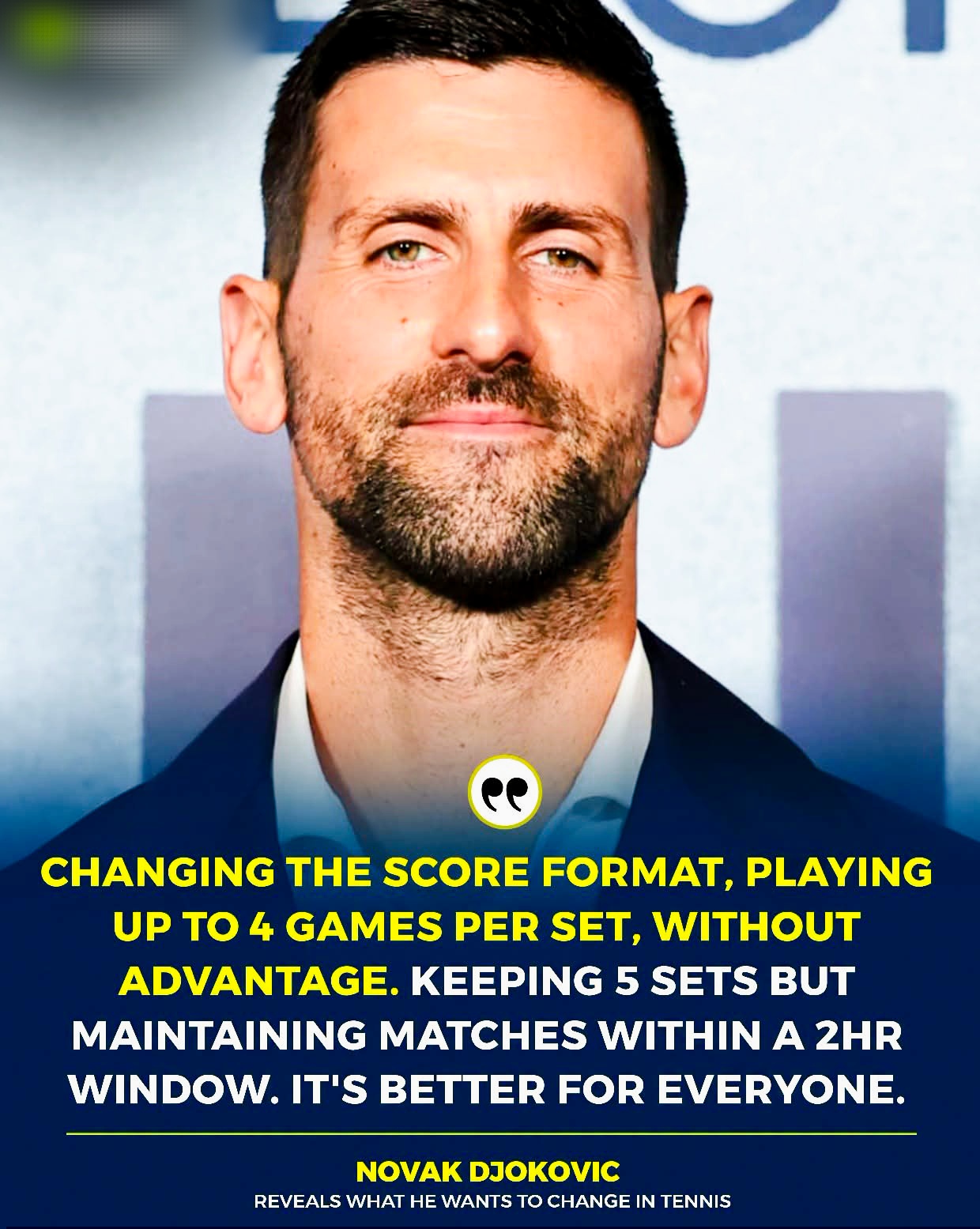
In an era where fast-paced digital media and shifting consumer habits reshape professional sports, 24-time Grand Slam champion Novak Djokovic has unveiled a radical vision for tennis’s future. Speaking during a recent appearance on the *Nick Knows Ball* podcast with Nick Coutracos, the Serbian superstar addressed a direct question regarding a controversial opinion he would defend regardless of potential backlash. Rather than suggesting minor adjustments, Djokovic proposed a sweeping reform to the sport’s foundational scoring system. His visionary model aims to streamline match lengths and accommodate modern broadcasting demands while strictly preserving the psychological resilience, tactical nuance, and structural drama that define traditional best-of-five Grand Slam encounters.
A Four-Game Revolution in Set Structure
At the heart of Djokovic’s proposal is a dramatic departure from the standard six-game set structure that has governed professional tennis for generations. Under his proposed framework, sets would be played to four games instead of six, paired with the removal of advantage scoring at deuce. By introducing no-ad scoring—where a single deciding point determines the game at 40-40—the pacing of every game intensifies instantly. Djokovic argues that compressing set lengths creates a fluid scoreboard where a single break of serve carries immediate high-stakes consequences, eliminating dead time and requiring players to perform at peak concentration from the opening point.
Preserving the Drama of Best-of-Five Battles
Crucially, Djokovic’s plan does not advocate for abandoning the legendary best-of-five format at Major tournaments in favor of shorter best-of-three matches. Instead, he insists that retaining five sets is essential for maintaining the emotional rollercoaster and strategic chess match that fans cherish during Grand Slam competition. By combining four-game sets with a five-set match structure, the overall contest remains a genuine test of endurance, mental fortitude, and tactical adaptability. The primary objective of this hybrid approach is to keep match durations capped within a predictable two-hour window, ensuring that five-set thrillers deliver maximum tension without stretching into exhausting four- or five-hour marathons.
Addressing Modern Media and Fan Dynamics
Djokovic’s push for structural evolution is heavily driven by the changing expectations of global sports audiences and network broadcasters. As alternative racket sports like padel and pickleball rapidly gain market share among younger demographics, traditional tennis often struggles to fit neatly into fixed television broadcast windows. Unpredictable match lengths present significant scheduling hurdles for tournament organizers and international rights holders alike. Djokovic believes that establishing a dependable two-hour framework makes professional tennis far more accessible to casual viewers, streaming platforms, and younger fans who prefer fast-moving athletic entertainment, all without degrading the prestige of Major championship tennis.
Balancing Player Physicality and Strategic Depth
From an athletic standpoint, the proposed scoring changes offer profound implications for player longevity and season-long physical management. Having competed through multiple generations of elite competition—and enduring numerous grueling distance battles, including recent marathon encounters at Wimbledon—Djokovic understands the heavy physical toll exacted by the modern calendar. Shorter sets could potentially reduce catastrophic injuries and allow elite players to extend their peak performance years. However, critics note that compressing sets leaves significantly less margin for error, forcing top seeds to adapt rapidly against lower-ranked opponents capable of catching fire over brief spurts.
Navigating the Debate Over Tennis Reform
While Djokovic’s forward-looking proposal has sparked intense debate among traditionalists, players, and commentators, it highlights a crucial conversation surrounding the sport’s long-term sustainability. Tennis has previously adapted its rules—such as introducing standard final-set tiebreaks across all four Grand Slams—to prevent extreme marathon matches. Djokovic’s vision represents the next logical step in that evolutionary chain, attempting to strike a harmonious balance between honoring historical legacy and embracing modern efficiency. As the debate continues across the global tennis community, the Serbian legend’s bold ideas demonstrate a deep commitment to ensuring the sport remains vibrant, competitive, and captivating for generations to come.