
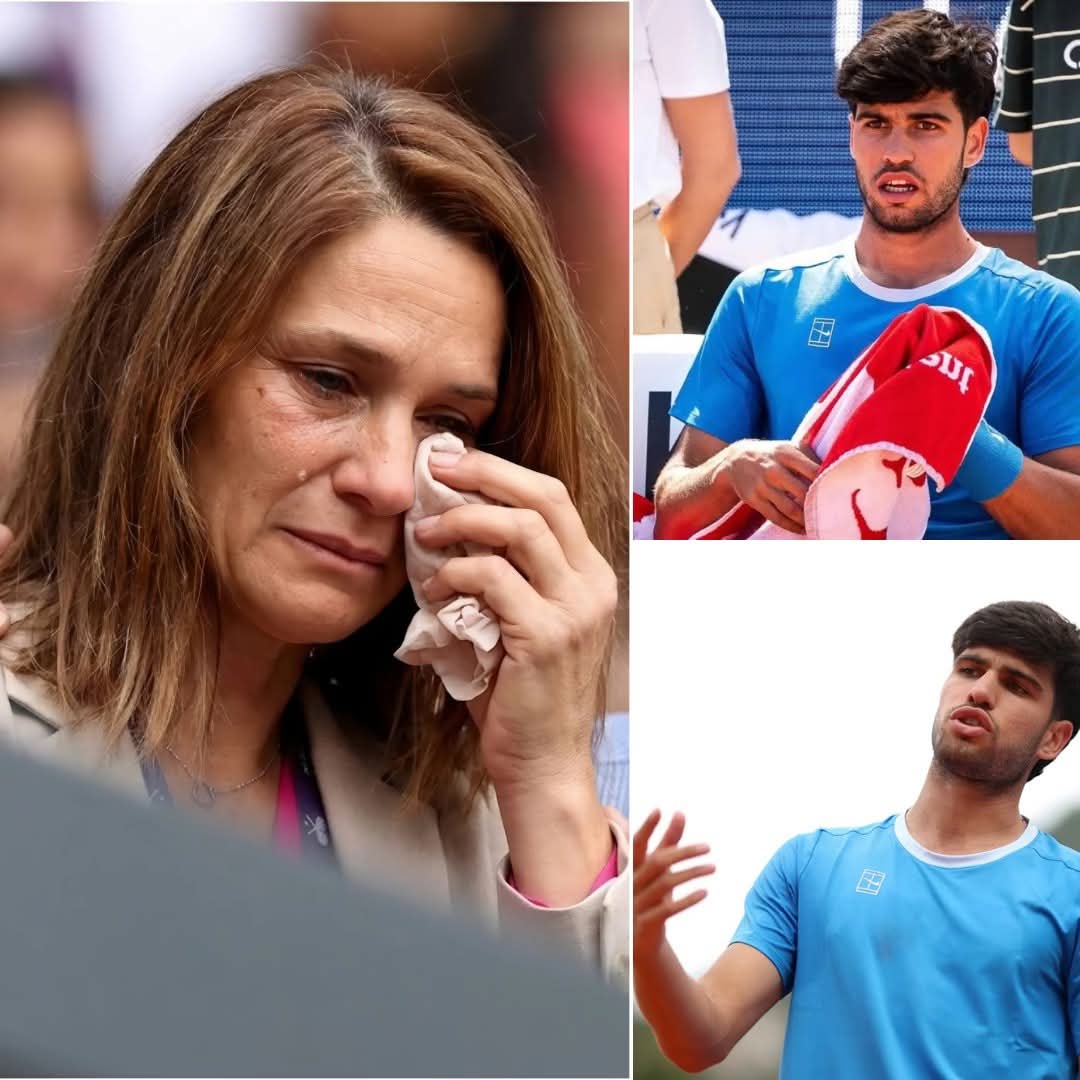
The tennis world stood still this week as Carlos Alcaraz, the reigning world number two and a cornerstone of Spanish sport, announced his withdrawal from the Barcelona Open. While early reports often swirl with speculation regarding the personal lives of elite athletes, the reality on the ground in Catalonia points to a much more tangible struggle. After a promising start to the tournament, the young phenom was forced to concede to a physical reality that has increasingly become his biggest opponent: a recurring and significant wrist injury.
A Campaign Halted by Physical Resilience
Alcaraz’s departure from the 2026 Barcelona Open was not a decision made in haste. Following his opening-round victory over Otto Virtanen, where he secured a convincing 6-4, 6-2 win, the Spaniard admitted to feeling a sharp setback. Despite his characteristic on-court intensity, the underlying issue with his right wrist—an area that has required medical attention in previous seasons—flared up during a pivotal return. Following a series of diagnostic tests conducted on Wednesday, the medical consensus was clear: continuing to play would risk long-term damage to a career that is already arguably the most successful for an athlete of his age.
The Impact on the Global Rankings
The timing of this withdrawal carries significant weight for the ATP rankings. By stepping away from the tournament, Alcaraz has effectively conceded his immediate chance to reclaim the world number one spot from his primary rival, Jannik Sinner. Having lost the top ranking just days prior following a hard-fought final at the Monte-Carlo Masters, the Barcelona Open was seen as his primary battleground for a quick return to the summit. Instead, Alcaraz has prioritized longevity over the leaderboard, a move that analysts suggest displays a newfound maturity in his management of a grueling professional schedule.
Accountability and the Team Dynamic
In the face of disappointment, Alcaraz has remained remarkably transparent with his fanbase and the media. Addressing reporters in a press conference that balanced frustration with pragmatism, he noted that the injury was more serious than his team had initially anticipated. “I have to listen to my body,” Alcaraz stated, emphasizing that his focus must now shift entirely to recovery. His team, led by coach Juan Carlos Ferrero and a dedicated group of physiotherapists, has already outlined a rigorous rehabilitation program designed to get him back to full strength for the upcoming Masters 1000 events in Madrid and Rome.
Looking Toward the French Open Defense
As the clay-court season intensifies, all eyes now turn to the horizon and the defense of his French Open title. Alcaraz’s decision to withdraw from Barcelona is widely viewed as a strategic maneuver to ensure he is at 100% for the Grand Slam at Roland Garros. While the absence of the “King of Clay’s” natural heir is a blow to the Barcelona spectators, the long-term health of the sport’s biggest star remains the priority. The tennis community now waits with bated breath to see if the young master of the clay can mend his body in time to defend his throne in Paris and continue his pursuit of tennis immortality.