
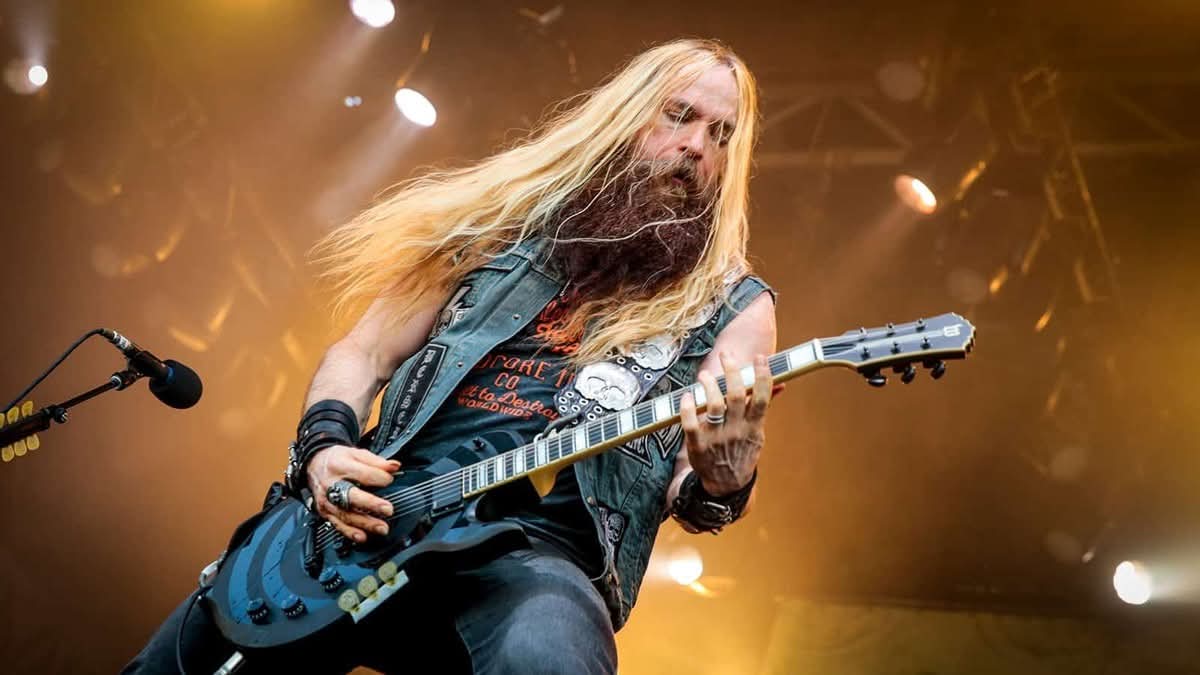
In the world of virtuoso guitar, the “Generation Axe” tour stands as a summit of technical brilliance, featuring some of the most recognizable voices to ever touch six strings. During a recent soundcheck for the legendary showcase, Zakk Wylde highlighted a fundamental truth about the instrument: the power of a signature sound. Wylde claimed he could identify peers like Steve Vai, Yngwie Malmsteen, and Nuno Bettencourt within just two notes—a statement that sparked a characteristically sharp perspective from fellow icon Jake E. Lee.
The Art of the Sonic Fingerprint
Wylde’s observation centers on the “beauty of guitar,” where touch, vibrato, and phrasing create a unique identity that transcends gear or settings. For Wylde, the ability to instantly recognize Vai’s ethereal slides, Yngwie’s neo-classical precision, or Nuno’s percussive funk is the ultimate mark of a legendary player. He argues that in an era of digital modeling and shared presets, the individuality of these masters remains the gold standard. To Wylde, these players don’t just play the guitar; they inhabit it so completely that their DNA is audible in every pluck.
Jake E. Lee’s Contrasting View
While Wylde celebrated this familiarity as a triumph of style, Jake E. Lee offered a more nuanced, slightly shaded take on the concept of instant recognition. Known for his own highly distinct work with Ozzy Osbourne and Badlands, Lee has often been a critic of players who lean too heavily on predictable tropes. While not dismissing the talent of the Generation Axe lineup, Lee’s commentary suggests a preference for the element of surprise over a “signature” that can be boiled down to a few familiar flourishes. For Lee, the true test of a player isn’t just being recognizable, but continuing to evolve beyond the sounds that made them famous.
The Evolution of the Guitar Hero
The exchange highlights a long-standing debate within the shred community regarding “identity versus innovation.” Wylde’s perspective is one of reverence for the legends who established the foundations of rock guitar, viewing their consistency as a gift to the fans. Conversely, Lee’s perspective often pushes for a more exploratory approach, valuing the moments where a guitarist breaks their own mold. Despite the perceived shade, both players agree on one thing: the guitar remains a deeply personal vessel for expression.
Setting the Bar for the Next Generation
As these veterans continue to influence the landscape of modern rock, the soundchecks of today become the lessons of tomorrow. Whether one aligns with Wylde’s appreciation for the iconic “two-note” identity or Lee’s desire for a more unpredictable sonic journey, the conversation reinforces why these individuals remain at the top of the food chain. The “Generation Axe” stage serves as a reminder that while techniques can be taught, a truly unique voice is something that must be forged through decades of dedication.