
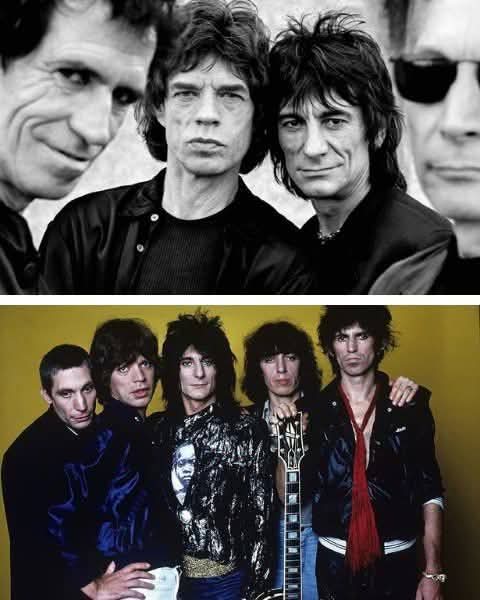
Since their gritty debut in London in 1962, The Rolling Stones have transitioned from rebellious upstarts to the undisputed architects of modern rock. While many of their contemporaries faded into nostalgia, Mick Jagger, Keith Richards, and company managed to turn rock and roll into a lifelong vocation. They didn’t just survive six decades; they became the living embodiment of the genre’s raw, unyielding spirit.
The Blueprint of Reinvention
The secret to the Stones’ endurance lies in their ability to adapt without losing their DNA. In the mid-1960s, they pivoted from blues-obsessed covers to era-defining anthems. By the 1970s, they were incorporating disco beats and funk undertones into their riffs. This elasticity allowed them to remain culturally relevant across generations. They never tried to chase every passing fad, but they were never afraid to let the world outside their studio influence their sound.
The Business of the Road
Beyond the music, the Stones revolutionized the concept of the “stadium tour.” They recognized early on that rock and roll was a visual and visceral experience. By investing in massive stage productions and maintaining a rigorous touring schedule well into their eighties, they created a brand that represents the ultimate “must-see” event. Their live performances serve as a masterclass in stamina, proving that the energy of rock isn’t reserved for the young, but for the committed.
The Glimmer Twins’ Chemistry
At the heart of this sixty-year run is the paradoxical relationship between Jagger and Richards. Their partnership—often turbulent but always productive—is the engine of the band. Jagger’s meticulous business sense and athletic showmanship provide the structure, while Richards’ “human riff” philosophy provides the soul. This balance of discipline and chaos is exactly what keeps the music feeling dangerous and authentic, even after thousands of performances.
A Legacy Set in Stone
Ultimately, The Rolling Stones kept rock alive by refusing to let it become a museum piece. They treated the genre as a living, breathing entity that requires constant feeding. As they continue to release new material and sell out arenas worldwide, they remain the gold standard for artistic persistence. They aren’t just playing rock and roll; they are the reason it still feels like the most vital force in music history. From a small London club to the global stage, the Stones have proven that while fashions fade, true grit is timeless.