
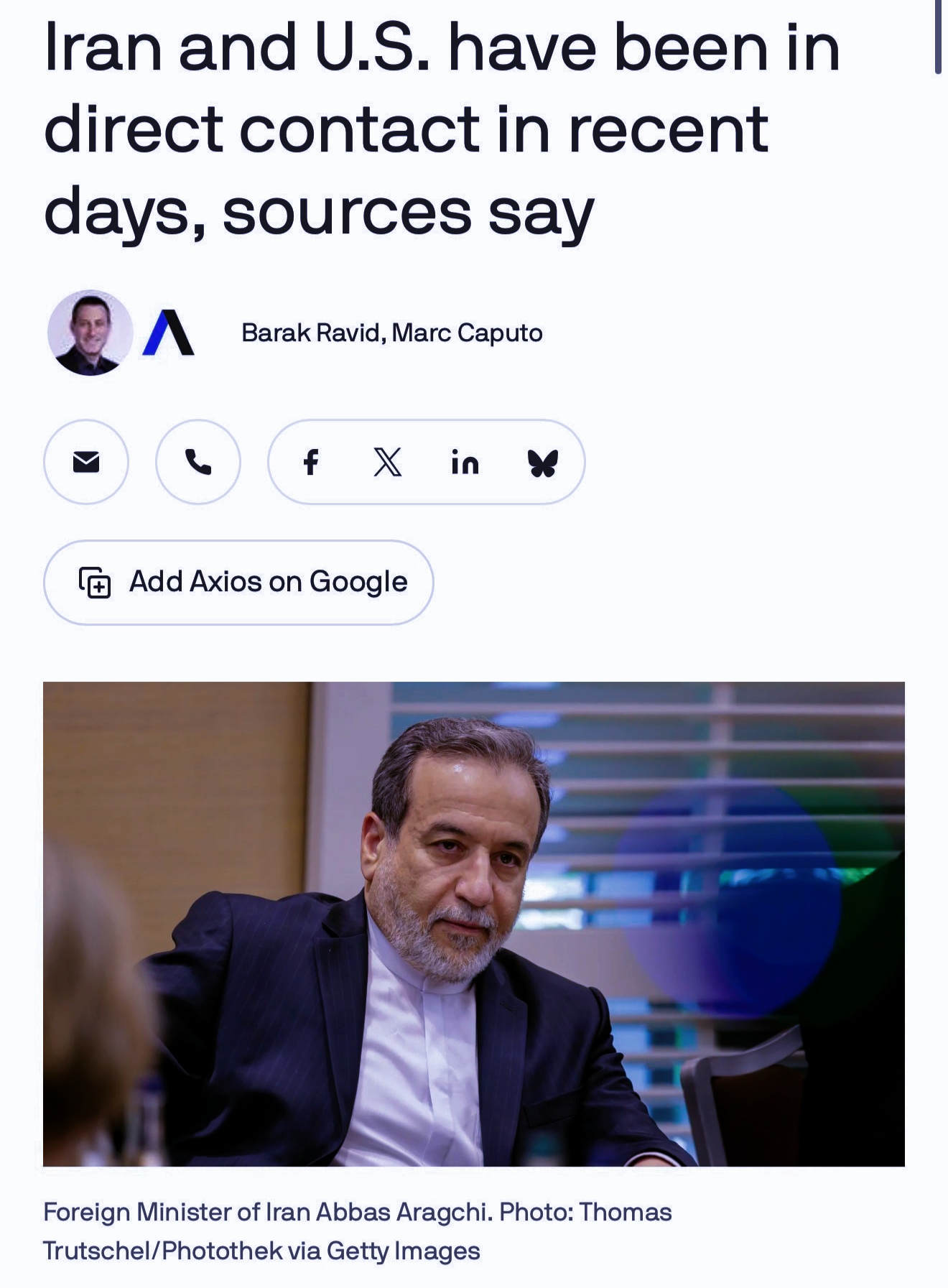
Confusion Surrounds Reported Diplomatic Outreach
U.S. President Donald Trump revealed on Monday that Iranian representatives have made contact with the United States, though questions remain about the legitimacy of those involved. Speaking to reporters, Trump said communication channels appear to be open, but uncertainty clouds whether the individuals claiming to represent Iran have the authority to negotiate on behalf of the government in Iran.
Questions Over Authority and Intent
“They want to make a deal. They are talking to our people,” Trump stated, suggesting that informal discussions may already be underway. However, he emphasized that U.S. officials are unsure who exactly is behind the outreach. “We have people wanting to negotiate, but we have no idea who they are,” he added, raising concerns about the credibility and seriousness of the contacts. The ambiguity has complicated any immediate path toward formal diplomatic engagement.
Iran’s Position on Ceasefire Conditions
According to officials familiar with the situation, Iran is reportedly unwilling to accept a temporary ceasefire arrangement. Instead, Iranian representatives are said to be pushing for assurances that any agreement reached would be long-term and binding. The stance reflects deep skepticism within Tehran about short-term deals that could allow adversaries, including the United States and Israel, to regroup strategically before resuming hostilities.
Diplomatic Challenges in a Fragile Climate
The reported outreach comes at a time of heightened tensions in the region, where mistrust continues to define relations between Iran and Western powers. Analysts note that informal or backchannel communications are not uncommon during periods of geopolitical strain, but verifying the authenticity of participants is critical before any meaningful progress can be made. Without clarity on who is negotiating, the risk of miscommunication or manipulation increases significantly.
Balancing Opportunity With Skepticism
While the possibility of renewed dialogue may signal a window for de-escalation, experts caution against premature optimism. Any potential agreement would require not only verified representation but also mutual concessions and enforceable guarantees. For now, the situation remains fluid, with both sides appearing to test the waters without committing to formal negotiations.
As developments unfold, the international community will be watching closely to see whether these early contacts evolve into structured diplomacy or dissolve amid uncertainty. The stakes remain high, with regional stability and global security hanging in the balance.