
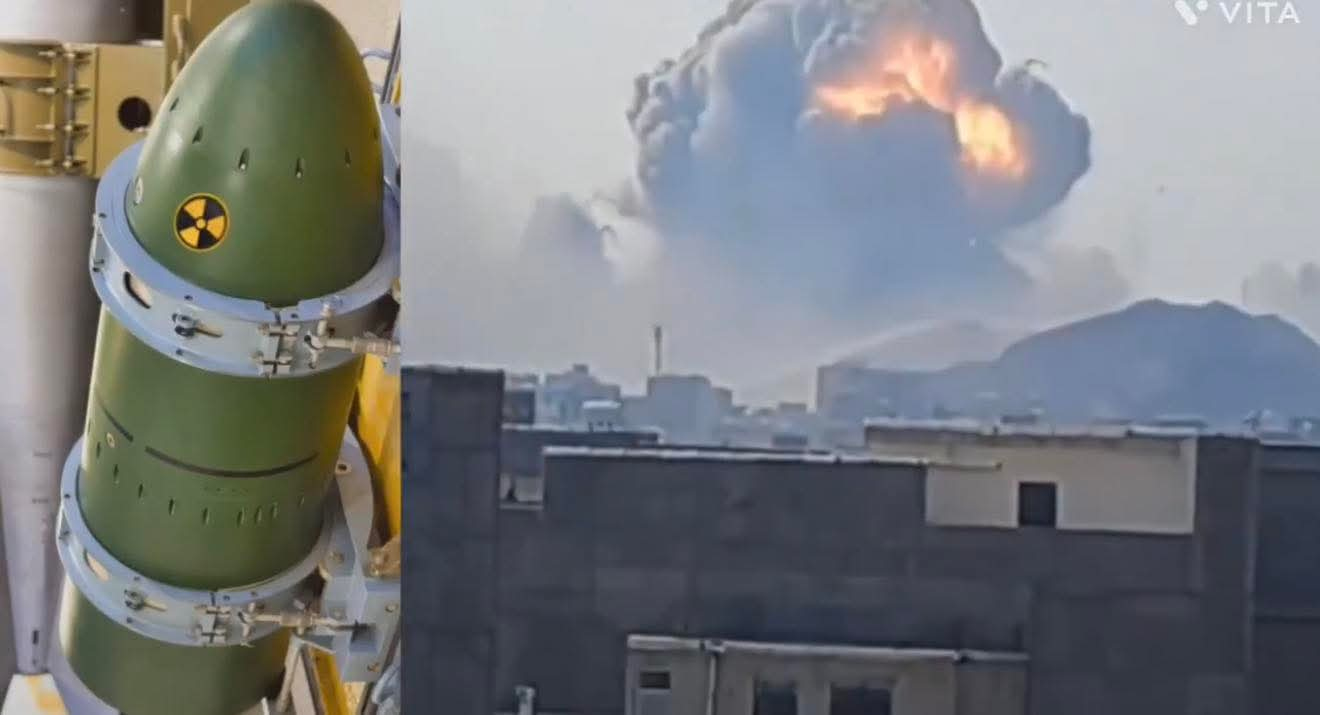
Washington, D.C. — A series of coordinated U.S. and Israeli military strikes in late February 2026 has reportedly dealt a significant blow to Iran’s nuclear program, according to defense analysts and intelligence assessments. The operation comes amid rising concerns that Tehran was approaching a critical threshold in its nuclear development efforts, potentially within weeks of achieving weapons capability.
—
Intelligence Signals Accelerated Nuclear Activity
Recent intelligence reports suggested that Iran had intensified its nuclear activities following stalled diplomatic negotiations and earlier setbacks. Analysts indicated that the country had rebuilt underground enrichment facilities, stockpiled highly enriched uranium, and made progress toward weaponization. These developments raised alarms among Western allies, who viewed the timeline as increasingly urgent.
—
Strategic Targets Hit in Coordinated Operation
The strikes, carried out jointly by U.S. and Israeli forces, reportedly focused on key elements of Iran’s nuclear infrastructure. Targets included fortified underground enrichment sites, missile systems, and facilities believed to be linked to weapons research. In addition, reports indicate that several high-ranking figures associated with the program were killed during the operation.
Military experts say the scale and precision of the strikes may have significantly delayed Iran’s nuclear ambitions, though the full extent of the damage remains unclear. Independent verification is still ongoing, and Tehran has yet to release a comprehensive assessment of the impact.
—
Debate Over Preemptive Action
Supporters of the operation have described it as a necessary preemptive measure aimed at preventing a broader global security threat. They argue that Iran’s nuclear program, combined with its regional activities, posed a growing risk to international stability. Critics, however, caution that such military action could escalate tensions in the Middle East and undermine long-term diplomatic solutions.
The debate highlights the longstanding divide between advocates of military deterrence and proponents of sustained negotiations in addressing nuclear proliferation concerns.
—
Leadership and Regional Implications
U.S. President Donald Trump has been credited by supporters for authorizing decisive action, while Israeli leadership emphasized its commitment to preventing Iran from acquiring nuclear weapons. Both nations have consistently stated that a nuclear-armed Iran would pose a direct threat to regional and global security.
The strikes are expected to have far-reaching implications for Iran, Israel, and the broader Middle East, potentially reshaping security dynamics and influencing future diplomatic efforts. Analysts warn that retaliatory actions or proxy conflicts could follow, further complicating an already volatile region.
—
Uncertain Path Forward
While the operation may have delayed Iran’s nuclear progress, experts caution that it is unlikely to eliminate the program entirely. The coming weeks will be critical in determining how Tehran responds and whether diplomatic channels can be reopened to prevent further escalation.
As global attention remains fixed on the region, the balance between military action and diplomacy continues to shape the international response to one of the world’s most pressing security challenges.