
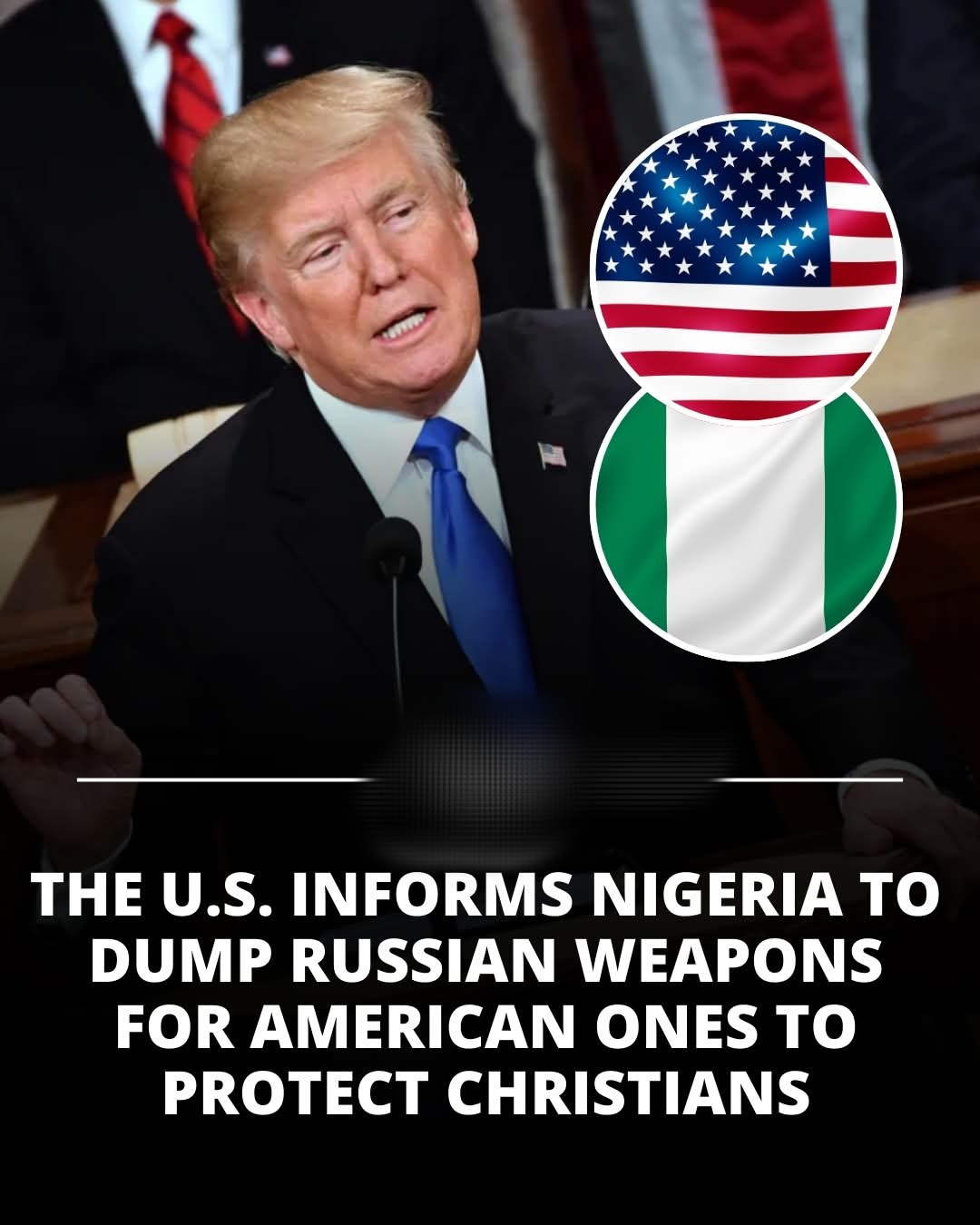
The United States has opened a formal review into allegations of religious persecution against Christians in Nigeria, placing renewed international focus on the country’s use of Sharia-based legal systems and blasphemy laws. U.S. officials say the inquiry aims to assess whether existing policies and local enforcement mechanisms adequately protect religious minorities amid ongoing reports of violence.
Lawmakers and advocacy groups have long raised concerns about sectarian tensions in parts of northern Nigeria, where Sharia law operates alongside civil law. Critics argue that blasphemy statutes have been used to target individuals accused of insulting religion, sometimes resulting in harsh sentences or mob violence.
Proposed Legislation Targets Accountability
In response to escalating concerns, U.S. lawmakers introduced the Nigeria Religious Freedom and Accountability Act of 2026. The bill seeks to address violence against Christians and strengthen oversight of U.S. foreign policy toward Nigeria.
If enacted, the legislation would require detailed reporting on religious freedom conditions and authorize targeted actions against individuals found responsible for serious violations. Sponsors of the bill say it reflects bipartisan alarm over persistent attacks on Christian communities and the broader climate of insecurity.
Supporters argue that the measure sends a clear signal that religious liberty remains a priority in U.S. foreign relations.
Focus on Sharia and Blasphemy Laws
Central to the debate are Nigeria’s Sharia and blasphemy laws, which U.S. lawmakers describe as structural drivers of discrimination. While Sharia law applies primarily in northern states and often governs personal matters such as marriage and inheritance, critics contend that its criminal provisions and blasphemy statutes can contribute to religious tensions.
Recommendations outlined in policy discussions include repealing or reforming blasphemy laws, strengthening federal oversight of religious violence cases, and ensuring equal legal protections for all citizens regardless of faith.
Human rights advocates emphasize that legal reform would be a significant step toward reducing sectarian conflict and restoring confidence among minority communities.
Security Pact and Potential Sanctions
Beyond legal changes, some U.S. officials are advocating for a formal security pact between Washington and Abuja to improve intelligence sharing and counter extremist threats. The proposal envisions closer cooperation to combat armed groups accused of targeting religious communities.
The legislation also contemplates penalties such as visa bans or financial sanctions against perpetrators of religiously motivated violence. Lawmakers argue that holding individuals accountable could deter future abuses.
Aid Threats and Diplomatic Pressure
Prior to the introduction of the bill, the United States had signaled it might withhold certain forms of aid unless Nigeria demonstrated measurable improvements in protecting Christians and addressing religious violence. Officials warned that stronger diplomatic and economic measures could follow if progress remained limited.
Nigerian authorities have previously stated that they are working to balance constitutional protections for religious freedom with regional legal traditions. The unfolding review and proposed legislation mark a new chapter in U.S.–Nigeria relations, underscoring the complex intersection of faith, law, and international diplomacy.