
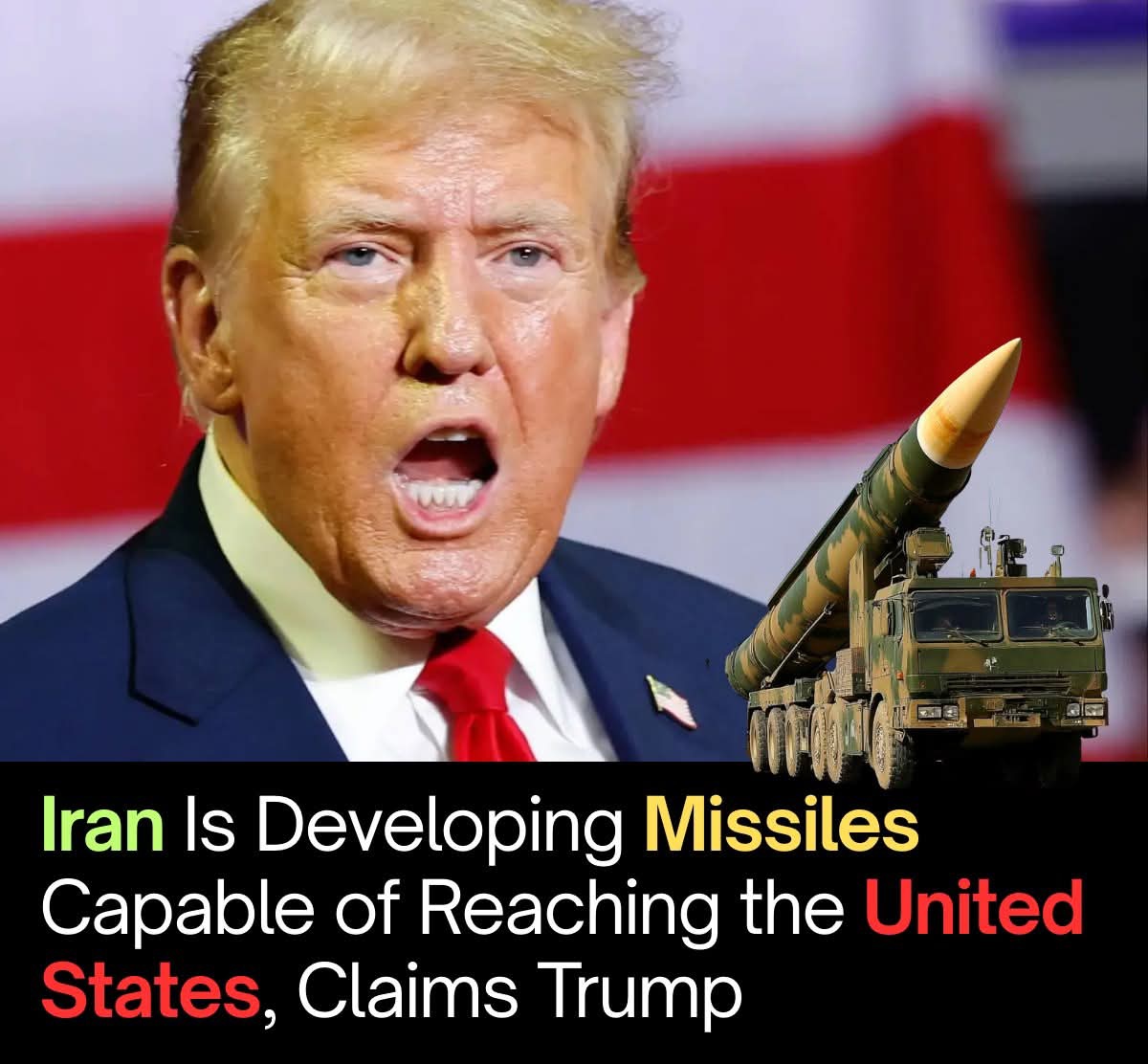
Tensions between the United States and Iran returned to the international spotlight after President Donald Trump claimed that Tehran is developing missiles capable of reaching the U.S. mainland. Speaking during a recent address, Trump warned that Iran’s expanding missile program, coupled with its nuclear ambitions, poses a serious security concern for the United States and its allies.
While emphasizing the potential threats, Trump also stressed that diplomacy remains the preferred method for addressing these challenges. “We continue to pursue dialogue, but we must be clear-eyed about the risks,” he said, highlighting the need for vigilance and preparedness.
Iran Maintains Nuclear Program is Peaceful
In response, Iranian officials reiterated that the country’s nuclear activities are strictly for peaceful purposes, denying any intent to develop weapons capable of striking foreign targets. Tehran emphasized that its missile program is intended for defensive purposes and to strengthen regional security.
Global observers note that these conflicting statements underscore the delicate balance between deterrence and diplomacy in managing U.S.–Iran relations. Analysts suggest that Iran’s actions, coupled with its messaging, are part of a broader strategy to assert influence while avoiding direct confrontation with major powers.
International Watch and Diplomatic Debate
World leaders and international organizations continue to monitor developments closely. The debate over security measures, sanctions, and engagement strategies has resurfaced, with some advocating for renewed negotiations and others calling for stronger deterrent measures.
The situation highlights the enduring complexity of the Middle East’s geopolitical landscape, where regional conflicts, nuclear concerns, and international alliances intersect. Experts caution that miscalculations on either side could escalate tensions and complicate diplomatic efforts.
U.S. Security and Strategic Response
U.S. officials emphasize that maintaining a credible deterrent and robust defense posture is essential in responding to perceived threats. The Trump administration has indicated that while dialogue is possible, it will not compromise on national security or allow Iran to develop capabilities that could threaten the United States or its allies.
The president’s remarks serve as a reminder that U.S. foreign policy continues to grapple with the dual challenge of preventing nuclear proliferation while pursuing diplomatic solutions.
The Road Ahead
As the international community watches, policymakers face difficult decisions about how to balance pressure, diplomacy, and security. The renewed focus on Iran’s missile and nuclear programs signals that the issue will remain a central topic in global security discussions for the foreseeable future.