
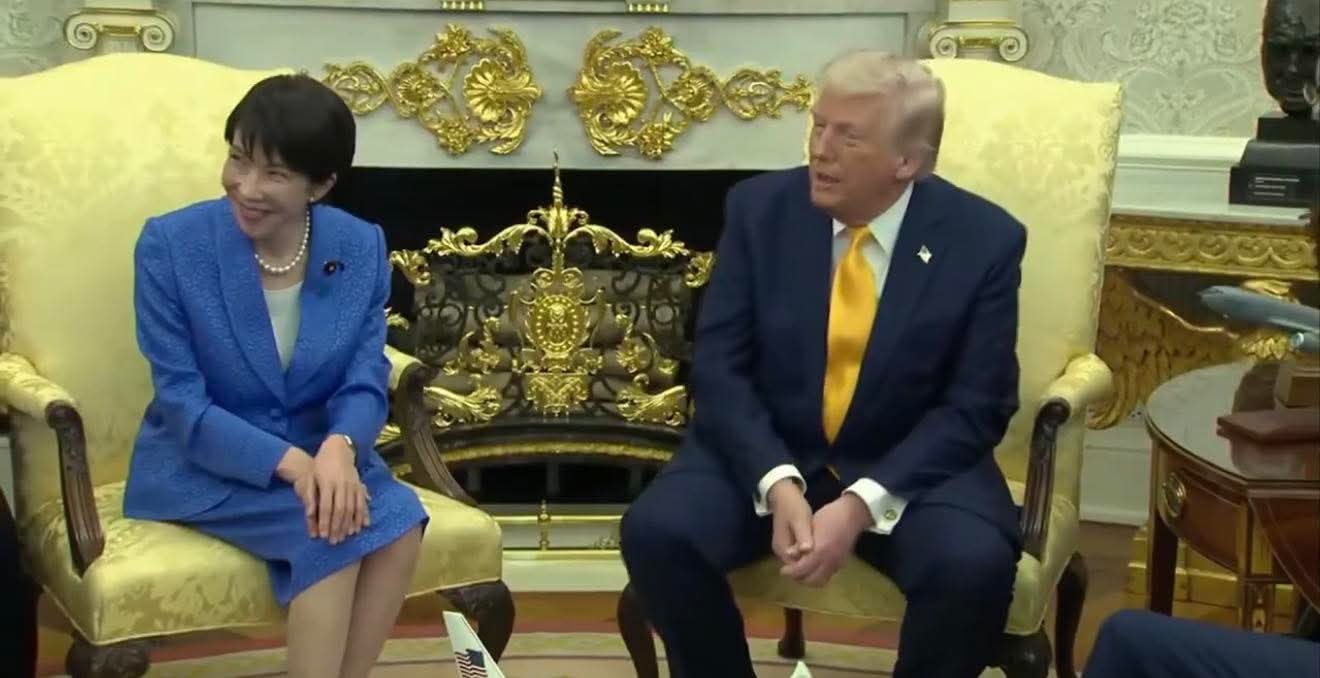
WASHINGTON, D.C. — President Donald Trump and Japanese Prime Minister Sanae Takaichi unveiled a landmark $40 billion nuclear energy agreement today that aims to reshape the future of American power generation. The ambitious deal will see advanced small modular reactors installed in Tennessee and Alabama, marking a significant step in the U.S. pursuit of energy independence and technological leadership.
The announcement, made during a joint press briefing at the White House, underscores the strategic importance both nations place on clean, reliable energy amid shifting global dynamics. Officials contend that these next‑generation nuclear facilities will not only strengthen the nation’s energy grid but also reduce dependence on unpredictable foreign fuel sources.
Advanced Reactors to Power Growing Demand
Central to the project are BWRX‑300 small modular reactors, developed through a collaboration between GE Vernova and Hitachi Energy. These units, prized for their enhanced safety features and cost efficiencies, are designed to deliver flexible and low‑carbon electricity to support surging demand from data centers, industrial hubs, and emerging technologies such as artificial intelligence.
Trump characterized the initiative as a “game‑changer” for American energy, noting that small modular reactors represent the future of power generation. “We are unleashing a new era of clean, secure, and domestically produced energy,” he said. “This partnership with Japan sends a clear message: America builds again—and wins again.”
Economic and Security Impacts
Beyond power production, the agreement is expected to generate thousands of high‑quality jobs across manufacturing, construction, and engineering sectors. Local leaders in Tennessee and Alabama welcomed the investment, highlighting the long‑term economic benefits for communities that will host construction sites and supporting infrastructure.
The $40 billion nuclear initiative is part of a broader $550 billion Japanese investment commitment secured under the recent U.S.–Japan trade agreement. That pact, hailed by administration officials as a victory for American workers, includes provisions to protect domestic industries and strengthen supply chains critical to national security.
Strategic Partnership in a Volatile World
Experts say the timing of the deal is significant. With global energy markets experiencing volatility due to geopolitical tensions—particularly in the Middle East—leaders from both countries emphasized the strategic value of reliable power independence. Nuclear energy, they argue, offers a stable alternative to fossil fuels subject to international price shocks.
Prime Minister Takaichi reaffirmed Japan’s commitment to deepening economic ties with the United States. “This collaboration paves the way for innovative energy solutions while promoting mutual prosperity and security,” she stated.
Looking Ahead
Construction on the first modular reactor sites is expected to begin next year, with phased operation planned over the next decade. As the world navigates a transition toward cleaner energy, this U.S.–Japan partnership positions both nations at the forefront of nuclear innovation.