
The U.S. Environmental Protection Agency (EPA) on Thursday finalized a sweeping regulatory change that eliminates a scientific determination long considered the legal foundation of American climate policy, marking one of the most consequential environmental decisions in decades.
The action removes the 2009 “endangerment finding,” a declaration issued during the Obama administration stating that carbon dioxide and other greenhouse gases pose a threat to public health and welfare. That conclusion has served as the legal basis for federal regulations targeting emissions from cars, trucks, power plants and industrial facilities under the Clean Air Act.
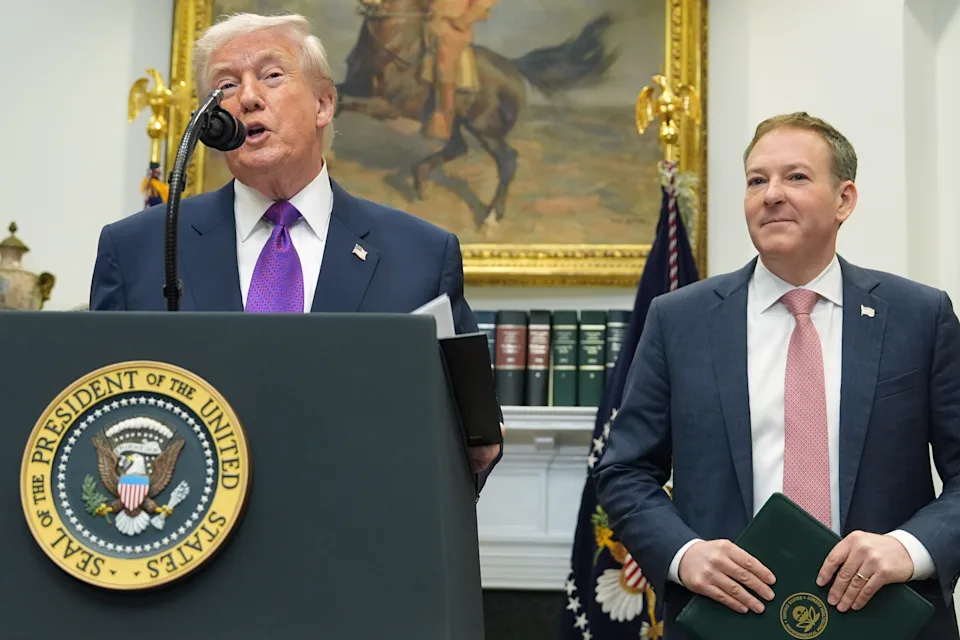
President Donald Trump hailed the decision at a White House ceremony, describing it as “the single largest deregulatory action in American history.” He argued the original finding lacked both factual and legal grounding and characterized climate regulations built upon it as unnecessary economic burdens.
“The endangerment finding was one of the greatest scams in history,” Trump said. He added that fossil fuels have historically contributed to human development, claiming they “saved millions of lives and lifted billions of people out of poverty all over the world.”
EPA Administrator Lee Zeldin echoed the president’s position, calling the finding the “Holy Grail of federal regulatory overreach.” Zeldin said prior administrations used the determination to justify aggressive federal intervention in energy and transportation sectors, which he argued threatened economic growth and American industry.
By rescinding the finding, the EPA effectively removes the legal justification for federal greenhouse-gas emission standards affecting motor vehicles and potentially opens the door to dismantling broader climate rules governing power plants and oil and gas operations.
Legal challenges are widely expected. Environmental law scholars say the decision strikes at the core of federal authority to regulate climate pollution. Ann Carlson, an environmental law professor at UCLA School of Law, warned the action could create more disruption than previous regulatory rollbacks undertaken by the administration.
According to legal experts, courts will now have to determine whether the agency can reverse a scientific conclusion that has been relied upon for more than a decade and repeatedly upheld in regulatory decisions.
Environmental organizations reacted sharply, describing the move as the most significant attack on U.S. climate policy in history. Advocacy groups argue scientific evidence supporting the original finding has strengthened considerably since 2009, citing rising global temperatures, extreme weather events and mounting scientific consensus about the dangers of greenhouse-gas emissions.
The EPA also announced plans to propose a two-year delay to a Biden-era rule designed to tighten emissions standards for passenger vehicles. In addition, the agency intends to eliminate tax incentives encouraging automakers to install automatic start-stop ignition systems, technology intended to reduce fuel consumption and pollution when vehicles idle.
Zeldin criticized previous Democratic administrations, accusing them of imposing costly environmental regulations under the banner of combating climate change. He said such policies risked damaging the U.S. economy and burdening consumers.
If the repeal survives court scrutiny, it could fundamentally reshape the federal government’s role in climate policy. Without the endangerment finding, regulators would face significant legal hurdles in imposing nationwide greenhouse-gas standards, shifting much of the responsibility for emissions control to individual states.
The decision sets the stage for a prolonged legal and political battle that will likely determine how — and whether — the United States regulates climate-warming pollution for years to come.