
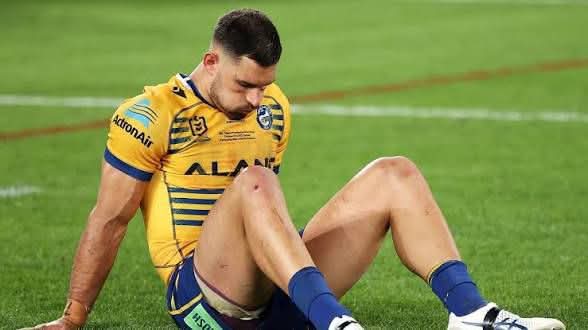
Parramatta Eels veteran Ryan Matterson has shed light on the harrowing reality of head injuries, detailing a grueling recovery process that extended far beyond the football field. The versatile forward, known for his work rate and toughness, recently revealed the depth of his struggle following a significant concussion that left him grappling with debilitating symptoms and a forced hiatus from the game he loves.
Beyond the Initial Impact
For Matterson, the journey began not with a highlight-reel collision, but with the subtle, creeping realization that something was fundamentally wrong. In an industry that often prizes “playing through the pain,” Matterson’s experience serves as a sobering reminder that the brain does not heal like a twisted ankle. The Eels star described a period defined by intense sensitivity to light, persistent headaches, and a mental fog that made even the simplest daily tasks feel like monumental hurdles. It was a battle fought in the quiet of darkened rooms rather than under the stadium lights.
The Mental Toll of Uncertainty
Perhaps more challenging than the physical symptoms was the psychological weight of the unknown. For a professional athlete whose identity is tied to physical performance, the inability to train or contribute to the team created a profound sense of isolation. Matterson opened up about the anxiety that accompanies a concussion recovery—the fear of whether he would ever return to his peak form, or if one more hit could have permanent consequences. This period of forced reflection required a different kind of strength, focusing on patience and neurological health over muscle and speed.
A New Perspective on Player Welfare
Now on the path to recovery, Matterson’s transparency is being hailed as a vital contribution to the ongoing conversation regarding player safety in the NRL. By speaking candidly about his struggles, he has humanized the clinical term “concussion protocol.” His story highlights the necessity of the league’s evolving stance on head injuries, emphasizing that a player’s long-term quality of life must always take precedence over a single season’s results. As he prepares to reintegrate into the Eels’ lineup, Matterson returns not just as a player, but as an advocate for the “invisible” injuries that define the modern era of contact sport.