
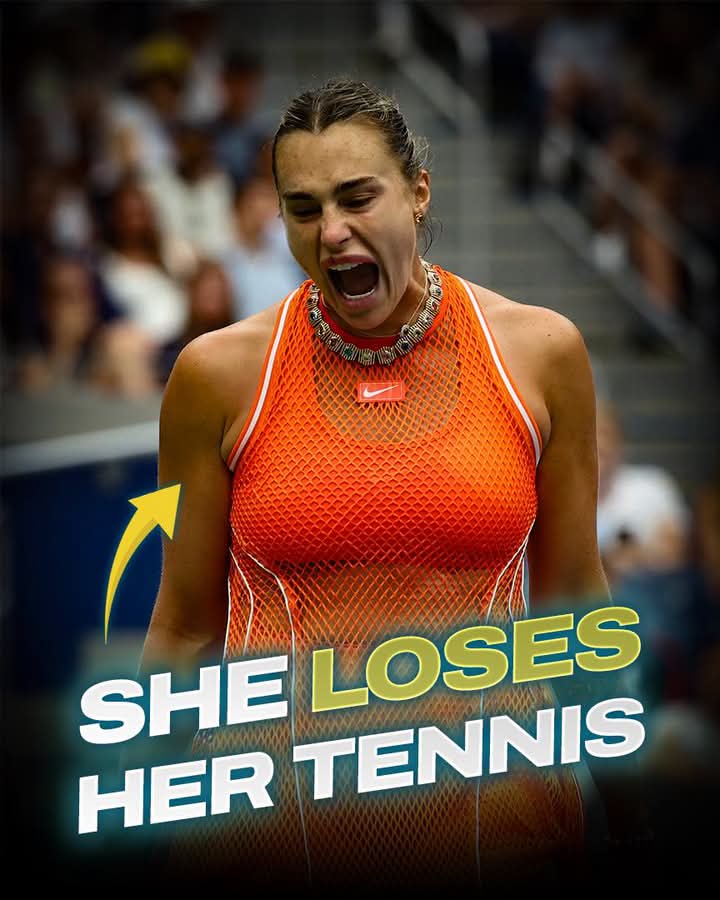
Emotional Control Under the Spotlight
Aryna Sabalenka’s emotional intensity on the tennis court has once again become a major talking point, with her temperament being identified as a potential factor behind her struggles to consistently convert her immense talent into Grand Slam success.
The Belarusian star has established herself as one of the most powerful and dangerous players in women’s tennis. However, her emotional reactions during difficult moments have sometimes appeared to affect her concentration, confidence and overall level of play.
A Comparison With Tennis Legends
The discussion has sparked an intriguing comparison with two iconic figures from tennis history: John McEnroe and Björn Borg.
The contrast between the American and Swedish legends was one of the defining characteristics of their era. Borg was renowned for his calm demeanor and remarkable ability to remain composed under pressure, rarely allowing his emotions to become visible.
McEnroe, by contrast, was famously fiery. His confrontations with officials, emotional outbursts and racket-smashing incidents became part of his public image. Yet his anger did not necessarily prevent him from producing some of the finest tennis of his generation.
The Key Difference
According to the analysis, that is where Sabalenka’s situation differs from McEnroe’s.
When McEnroe became angry, his level could actually rise. His intensity often appeared to fuel his competitive edge and helped him maintain an exceptional standard of tennis.
For Sabalenka, however, emotional frustration can have the opposite effect. When matches begin moving away from her, her reactions can become increasingly negative, and that emotional spiral may begin to influence the quality of her tennis.
When Frustration Takes Over
The pattern can be particularly noticeable during matches in which Sabalenka struggles to impose her powerful game. Instead of quickly resetting after a mistake or difficult point, she can become visibly frustrated with herself.
That negativity can then compound the problem. As frustration grows, concentration can suffer, errors may increase and confidence can begin to disappear.
The Challenge Ahead
Sabalenka’s challenge, therefore, may not simply be about improving her serve, groundstrokes or tactical approach. Managing the emotional side of competition could prove equally important as she continues competing at the highest level.
Her ability to remain composed when matches become difficult could determine whether she can consistently maintain her best tennis deep into Grand Slam tournaments.
A Different Kind of Battle
The comparison with Borg and McEnroe highlights just how important temperament can be in elite tennis. Borg demonstrated extraordinary emotional control, while McEnroe showed how intensity could sometimes become an advantage.
Sabalenka’s task is to find her own balance. If she can prevent frustration from overwhelming her game, the same passion that occasionally works against her could become a greater asset during the biggest moments of her career.