
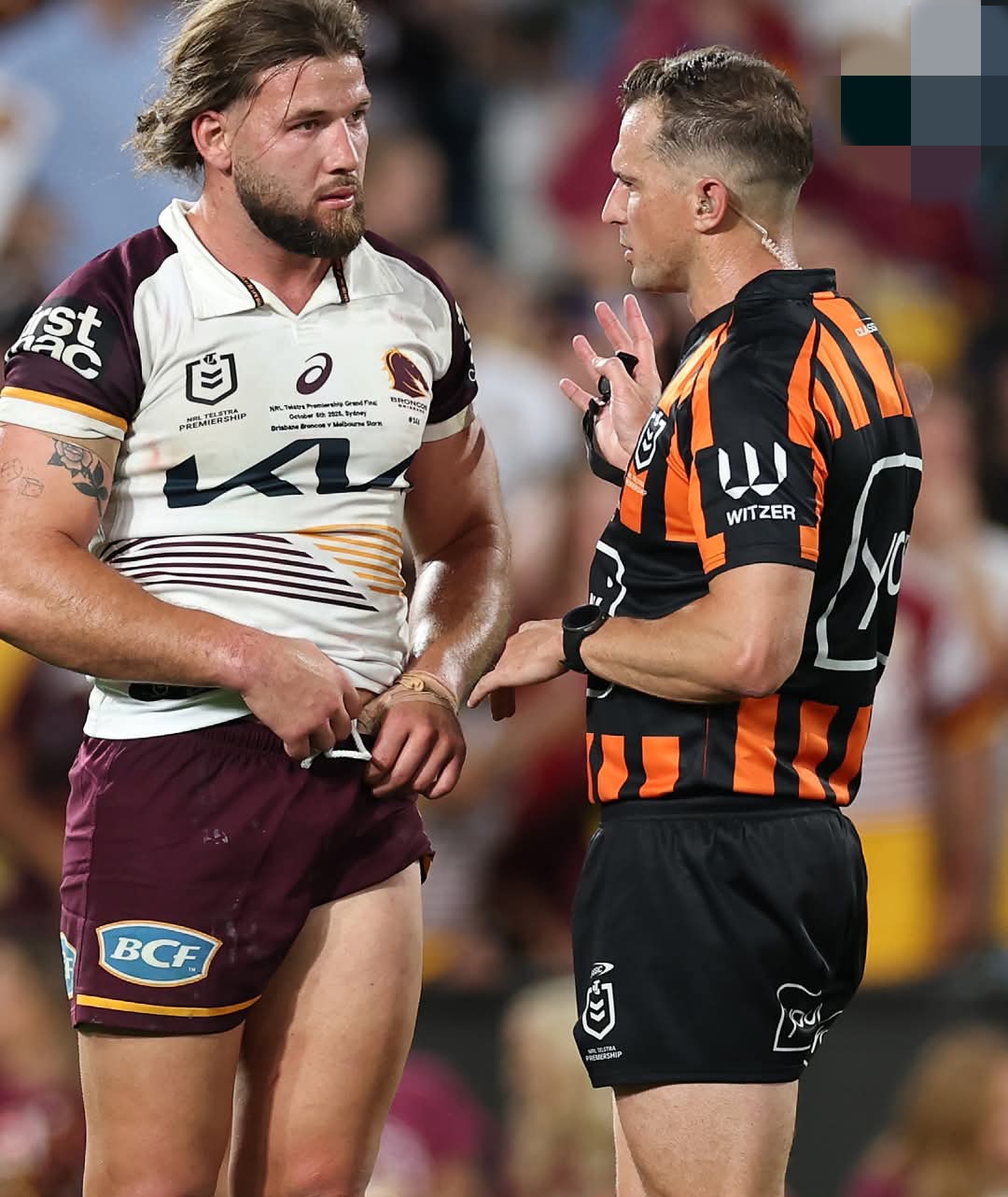
The National Rugby League is once again looking to shape the future of the game, with officials proposing four significant rule changes that could be introduced as early as the 2026 season. While the league regularly tweaks interpretations and officiating emphasis, these proposals signal a more structural shift — one that could materially affect how momentum, possession, and game management unfold across 80 minutes.
Among the four ideas under consideration, one stands out as particularly bold: a potential overhaul of the kick-off.
—
Kick-Off Rule Could Redefine Momentum Swings
The most eye-catching proposal relates to how play restarts after points are scored. Traditionally, the kick-off has been a relatively neutral moment, designed to restore balance and allow teams to reset. Under the proposed change, however, the kick-off could become a genuine attacking opportunity — or a dangerous vulnerability.
NRL insiders believe the idea is aimed at increasing unpredictability and rewarding tactical awareness. A modified kick-off structure could allow teams that have just conceded points to regain momentum quickly, or conversely, enable the scoring side to maintain pressure if executed correctly. Either way, it represents a dramatic shift in how coaches view post-try strategy.
—
Encouraging Faster, More Entertaining Play
At the heart of all four proposed rule changes is the NRL’s ongoing push to make the game faster and more engaging for fans. League executives have been clear in recent seasons that ball-in-play time, attacking intent, and momentum swings are key drivers of viewer interest.
A revised kick-off rule aligns neatly with that philosophy. Rather than a predictable restart followed by a conservative set, the NRL appears keen to inject immediate tension back into the contest — ensuring that no lead ever feels completely safe.
—
Coaches and Players Already Divided
Reaction from coaches and players has reportedly been mixed. Some see innovation as essential to keeping the sport evolving, particularly as younger audiences demand more dynamic action. Others, however, are wary of unintended consequences, including increased fatigue, defensive disorganisation, and a potential rise in soft points conceded immediately after scoring.
Veteran coaches have quietly questioned whether such a change could undermine traditional game management, an area where experience and discipline have long been rewarded.
—
Strategic Depth Could Increase Dramatically
If implemented, the new kick-off rule could force teams to rethink roster construction and in-game tactics. Specialist kickers, aerially strong forwards, and outside backs with elite positioning could suddenly become even more valuable.
Training sessions would also shift, with clubs spending more time rehearsing restart scenarios — both offensively and defensively. In close matches, a single kick-off execution could become as decisive as a line-break or goal-line stand.
—
Three Other Changes Still Under Review
While the kick-off proposal has grabbed headlines, the other three rule changes are also being examined closely. Though details remain tightly held, they are believed to focus on ruck speed, defensive spacing, and reducing prolonged stoppages.
The NRL is expected to consult clubs, players, referees, and broadcasters before making any final decisions. Trial matches or lower-grade testing may also be used to assess the real-world impact before full implementation.
—
2026 Looms as a Defining Season
With the 2026 season still over a year away, the league has time on its side. But make no mistake — these proposals suggest the NRL is not afraid to challenge convention in pursuit of a faster, more dramatic product.
If approved, the kick-off rule alone could fundamentally change how momentum is built and lost in rugby league. For fans, it promises excitement. For teams, it could redefine the margins between winning and losing.