
Mounting Rhetoric Between Washington and Tehran
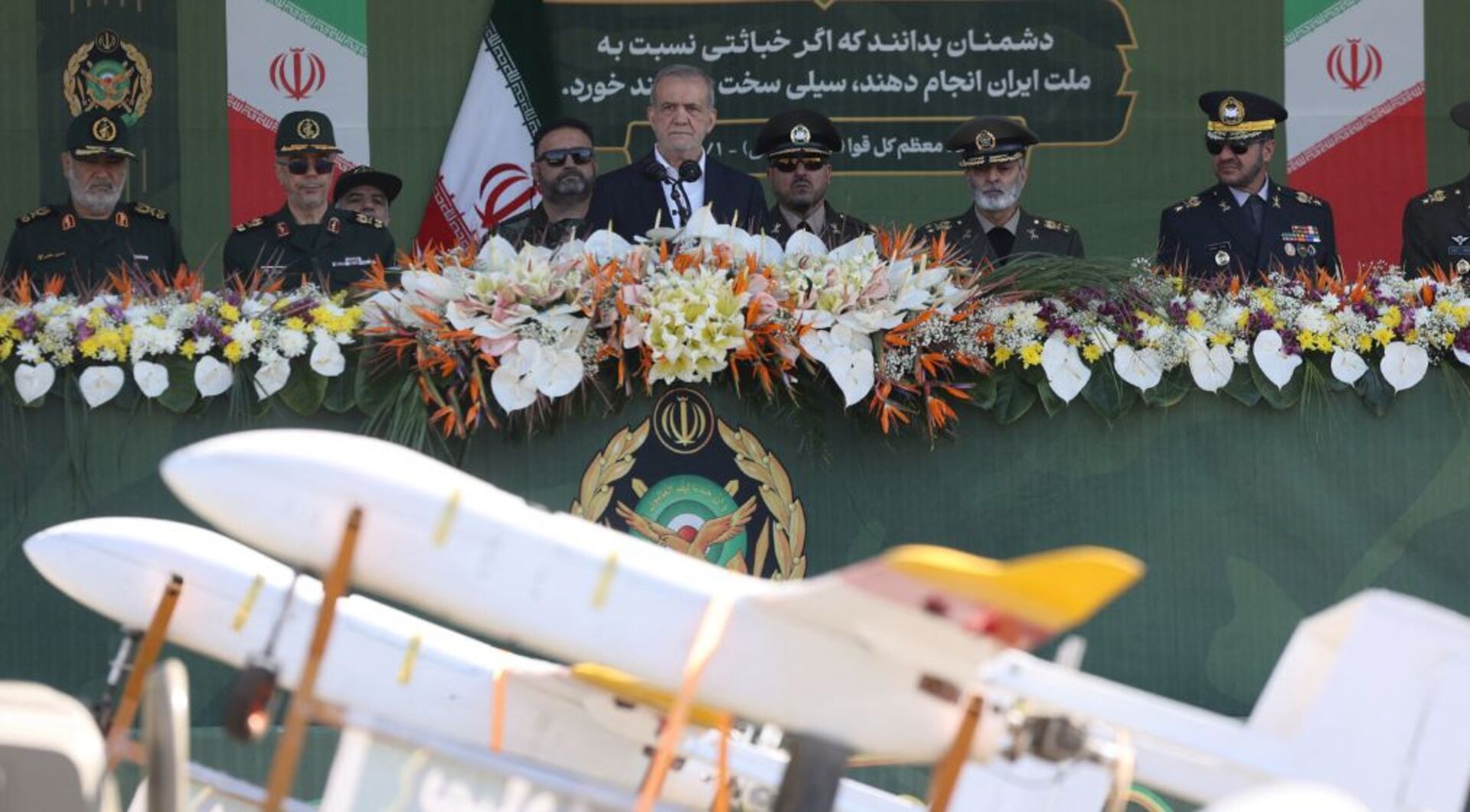
Tensions between Iran and the United States have intensified after former U.S. President Donald Trump issued a stark warning to Tehran, stating the country must either enter negotiations toward what he described as a “fair and equitable deal” or face the possibility of a large-scale American military presence. Iranian officials swiftly dismissed the warning, insisting the nation is fully prepared to respond to any aggression. The exchange has heightened fears across the Middle East of a potential confrontation that could destabilize the region.
Iran’s Firm Response
Senior Iranian leaders rejected the message as political pressure and intimidation. Government spokespeople emphasized that Iran would not negotiate under threats and warned that any military action by the United States would be met with immediate retaliation. Officials described their defensive posture as a matter of sovereignty, stressing that the country’s armed forces are on alert and capable of protecting national territory and interests.
Iranian military representatives stated that while the country does not seek war, it is prepared for it. They pointed to missile systems, naval units in the Persian Gulf, and regional alliances as part of their deterrence strategy. According to Tehran, these capabilities exist solely to discourage attack rather than provoke conflict.
The “Armada” Warning
Trump’s remarks referenced the possible deployment of significant U.S. naval power — described as an “armada” — to pressure Iran into negotiations. The statement revived memories of previous stand-offs between both nations, including maritime confrontations in the Strait of Hormuz and the 2020 crisis following the killing of Iranian General Qassem Soleimani.
Security analysts say such language increases uncertainty, particularly because military signaling can easily be misinterpreted. A buildup of forces in a narrow waterway heavily used by global oil shipments could quickly spark unintended escalation.
Regional and Global Concerns
The exchange has alarmed neighboring countries and international observers. Gulf states fear they would be the first affected by any conflict, especially due to their proximity to strategic shipping lanes. The Strait of Hormuz handles a significant portion of the world’s oil supply, meaning even limited military action could disrupt global energy markets and send prices sharply upward.
European diplomats have also expressed concern, urging both sides to return to diplomatic channels. Many governments believe renewed negotiations over Iran’s nuclear program would be the most effective way to reduce the risk of conflict.
Nuclear Deal at the Center
At the heart of the dispute remains the long-standing disagreement over Iran’s nuclear activities. The United States has pushed for tighter restrictions and expanded inspections, while Iran insists its program is peaceful and designed for civilian energy use. Tehran argues it will not accept conditions imposed under threats of military force.
Observers note that past negotiations succeeded only when conducted without public ultimatums. Analysts warn that confrontational rhetoric often strengthens hardline positions on both sides, making compromise politically difficult.
Risk of Miscalculation
Military experts caution that the greatest danger is not necessarily deliberate war but accidental escalation. Close encounters between naval vessels, air patrols, or regional proxy forces could spiral quickly if communication channels fail. Both countries possess significant military capabilities, meaning even a limited clash could widen rapidly.
For now, officials in Washington and Tehran remain locked in a war of words. Diplomatic backchannels are believed to be active, but neither side has publicly signaled a willingness to step back from its position. As rhetoric sharpens, the international community continues to call for restraint to prevent a crisis that could extend far beyond the two nations involved.