
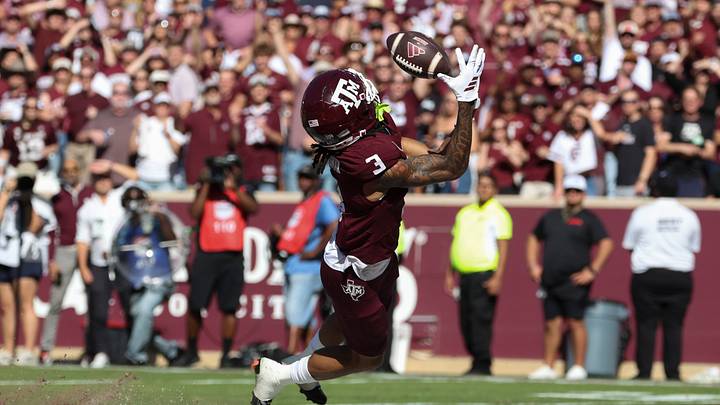
Texas A&M’s offensive unit staged a noticeable turnaround during the previous campaign under the direction of former offensive coordinator Collin Klein. However, with Klein departing the program to return to his alma mater as head coach at Kansas State, head coach Mike Elko faced a critical decision to maintain momentum in College Station. Rather than launching an extensive national search, Elko elected to promote from within, handing the play-calling duties directly to wide receivers coach and co-offensive coordinator Holmon Wiggins.
The elevation of Wiggins signals a firm vote of confidence in the program’s internal culture and continuity. Yet, the exact impact of this transition remains one of the SEC’s most fascinating storylines heading into the 2026 season. As a seasoned assistant with years of high-level experience across the conference, Wiggins carries a résumé that draws varying interpretations throughout the college football landscape.
Deciphering an SEC Coaching Résumé
Supporters view Wiggins as a patience-tested strategist who has learned alongside some of the sharpest offensive minds in modern college football. Having served on elite staffs—most notably alongside Nick Saban at Alabama—Wiggins absorbed a wide array of structural concepts, situational strategies, and high-tempo principles throughout his tenure. From this perspective, his path mirrors that of many top-tier coordinators who waited for the right opportunity to blend those collected experiences into their own cohesive philosophy.
Conversely, skeptics point to his long stint as a position coach to raise questions regarding his overall play-calling capability. Cynics wonder why elite head coaches like Saban never elevated him to the lead play-calling role during his time in Tuscaloosa, choosing instead to bring in outside talent for the top offensive position. Whether his long tenure as an assistant reflects deliberate preparation or a reluctance from elite program builders to give him the keys remains an ongoing debate.
Unlocking the Offense with Four-Wide Formations
Regardless of historical debates, Wiggins’ arrival at the helm brings tangible tactical alterations designed to modernize the Aggies’ attack. While the offense will retain core structural elements from the past two seasons, Wiggins is introducing a pivotal innovation that could dramatically reshape the team’s production: a heavy reliance on four-wide receiver sets.
Under Klein’s previous system, Texas A&M rarely deployed four receivers simultaneously. The offense routinely leaned on heavier personnel groupings, featuring multiple tight ends or additional offensive linemen to disguise intention and build power at the line of scrimmage. By contrast, spreading the field with four pass-catchers forces opposing defenses into light nickel or dime coverage packages, creating immediate space for dynamic playmakers.
Unlocking Quarterback Potential
This spatial innovation could pay immediate dividends for quarterback Marcel Reed. During crucial stretches last season, most notably in a second-half resurgence against South Carolina, the Aggies showcased hints of this spread concept to great effect. The resulting spacing allowed Reed to process coverages faster, leverage his athleticism, and ignite high-percentage chunk plays through the air and on the ground.
By making four-wide looks a fundamental part of the playbook rather than an occasional mid-game adjustment, Wiggins aims to maximize Reed’s skill set over a full schedule. If this strategic shift unlocks consistent production, Texas A&M will not only sustain its offensive rise but validate Elko’s belief in promoting from within.