
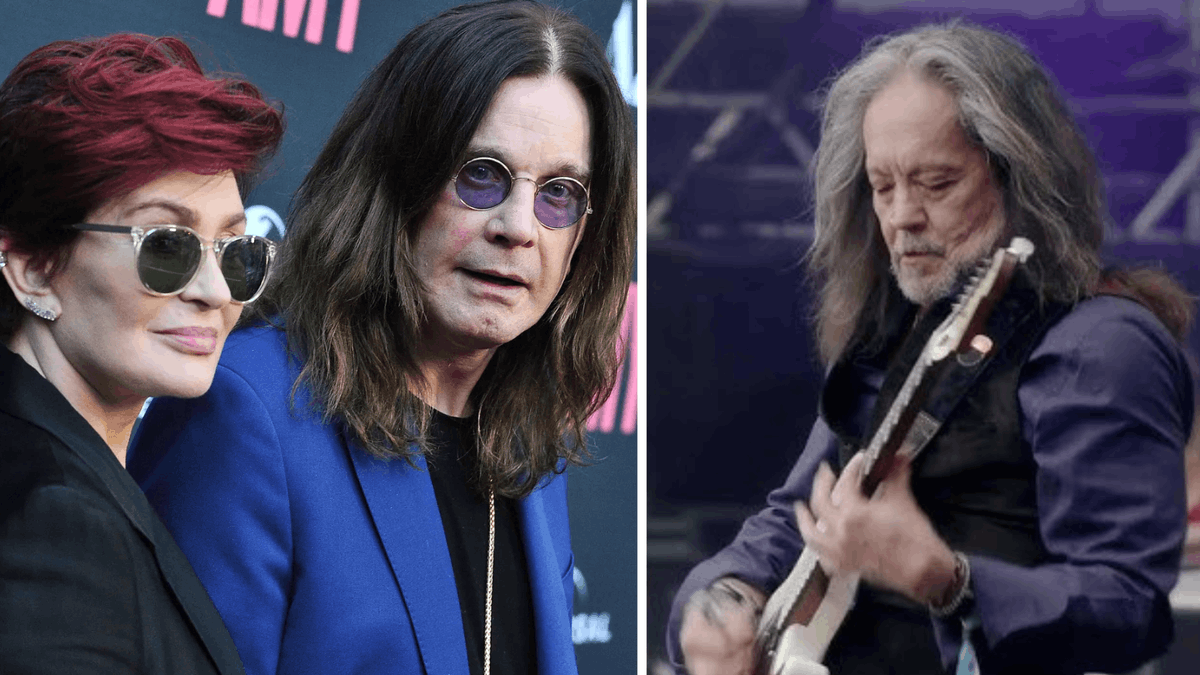
Veteran guitarist Jake E. Lee has opened up about a pivotal moment in his career, revealing how he stood his ground against Ozzy Osbourne and Sharon Osbourne in a dispute over songwriting recognition.
A Controversial Start in Ozzy’s Band
Lee joined Ozzy Osbourne’s band in 1982, stepping into the spotlight as the successor to the late Randy Rhoads. While the opportunity marked a major breakthrough, it also came with contractual complications that would later spark frustration.
During the recording of Bark at the Moon, Lee claims he was bound by an agreement that limited his ability to discuss his contributions to the songwriting process. Despite playing a key role in shaping the album’s sound, he was officially credited only as a co-writer on the title track.
Realizing the Imbalance
Reflecting on the experience, Lee suggested that the situation revealed a deeper imbalance in how credit was distributed. He noted that those around Osbourne appeared to recognize they had benefited from the arrangement, leaving him under-acknowledged despite his creative input.
Unaware of the full implications of the agreement at the time, Lee inadvertently spoke openly about his role after the album’s release—effectively breaching the contract. The incident highlighted the growing tension between artistic contribution and industry control.
Drawing a Line Before the Next Album
By the time work began on The Ultimate Sin, Lee had resolved to change his approach. Determined not to repeat the same experience, he refused to proceed without a revised contract that properly reflected his songwriting contributions.
In a recent interview with Guitar World, Lee revealed that he took a firm stance before submitting any new material. Rather than handing over demos under uncertain terms, he demanded clarity and recognition upfront—a move that marked a turning point in his professional relationship with the Osbournes.
A Battle for Creative Ownership
Lee’s insistence on fair credit underscored a broader issue within the music industry, where disputes over songwriting and royalties have long been a source of conflict. For Lee, the decision was about more than contracts—it was about asserting his identity as a creator.
The revised terms ultimately allowed him to secure songwriting acknowledgment on The Ultimate Sin, giving him a stronger sense of ownership over his work.
A Defining Career Moment
Looking back, Lee’s decision to stand up for himself remains one of the most defining moments of his career. While his tenure with Osbourne would eventually come to an end, the experience reinforced the importance of advocating for creative rights.
His story continues to resonate with musicians navigating the complexities of the industry, serving as a reminder that talent alone is not always enough—sometimes, taking a stand is just as crucial.