
A dramatic escalation in Middle East tensions this week followed a coordinated U.S.–Israeli military campaign against Iranian targets, culminating in the confirmed death of Supreme Leader Ayatollah Ali Khamenei. Iranian state television announced Khamenei had been killed during the airstrikes, triggering a 40‑day national mourning period and widespread global reaction. The offensive, described by U.S. officials as a strategic move to curb Iran’s nuclear influence and military power, has reverberated far beyond the region’s borders.
—
Iran Mourns and Promises Retribution After Death of Leader
Following early reports that the 86‑year‑old leader was killed in the strikes, Iranian authorities confirmed his death and announced extensive mourning. President Masoud Pezeshkian labelled avenging Khamenei’s killing a “legitimate duty and right,” pointing to a likely period of intensified hostilities. The removal of Iran’s long‑standing supreme leader, who had held ultimate political and religious authority since 1989, is expected to leave a significant power vacuum and deepen the already volatile security landscape across the Middle East.
—
Protests and Mourning in Iran and Across the Region
In Tehran and other Iranian cities, large crowds took to the streets to express grief and solidarity following the announcement of Khamenei’s death. Demonstrators gathered at key urban squares waving black flags and chanting anti‑U.S. slogans, while other mourners observed religious rituals and wept at significant cultural sites. Across the Middle East, supporters of Iran also held rallies — including peaceful demonstrations by Shia Muslims in regions such as Srinagar — underscoring the broader regional impact of the unfolding conflict.
—
Unverified Celebrations Reported in Parts of Iran and Abroad
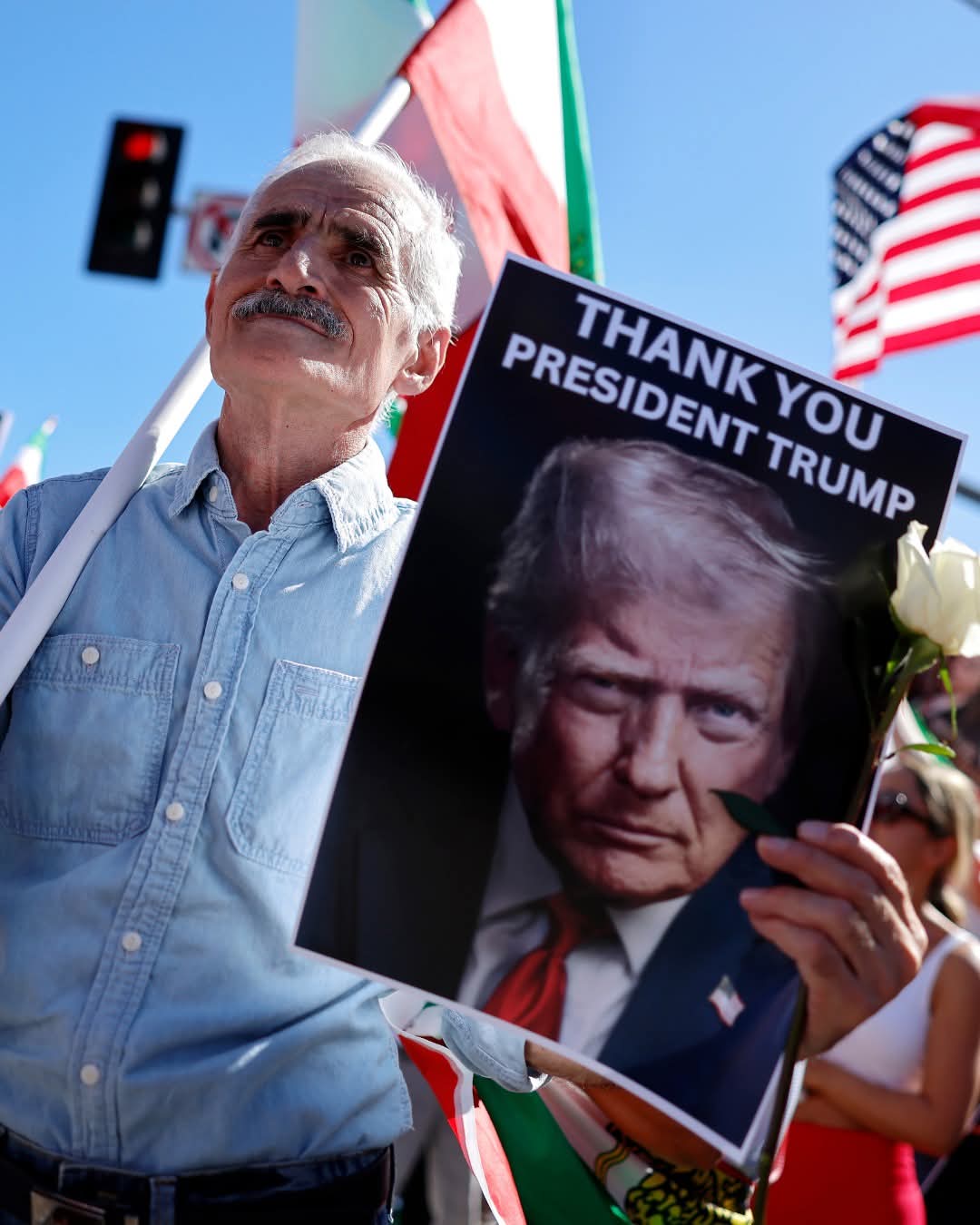
Alongside grief and protest, some footage circulating on social media and reported by international outlets showed celebratory crowds in certain cities reacting to the news of Khamenei’s death. Videos depicted people dancing, cheering and honking car horns in public spaces — scenes that external analysts cautioned could not be independently verified across the country. These reactions appear to reflect deep divisions within Iranian society after decades of strict rule and recent economic and political crises.
—
Leadership Uncertainty and Rising Regional Tension
With official confirmation of Khamenei’s death, Iranian state media and political figures emphasised continuity and resistance, even as questions loom over succession. Reports indicate a provisional leadership council may temporarily assume authority until a new supreme leader is chosen. Meanwhile, Iran has continued to retaliate with missile and drone strikes against U.S. bases and allied territories in response to the initial attacks, heightening fears of an expanding conflict that could draw in additional regional and global powers.
—
Implications for World Politics and Security
Global reactions from world leaders have been cautious, with many calling for restraint amid unfolding turmoil. The strikes and Khamenei’s death mark one of the most significant shifts in Middle Eastern geopolitics in decades, with potential implications for energy markets, alliances, diplomatic negotiations and security postures worldwide. Analysts warn that the coming days will be critical in determining whether the crisis escalates further or if diplomatic solutions can be pursued alongside military actions.