
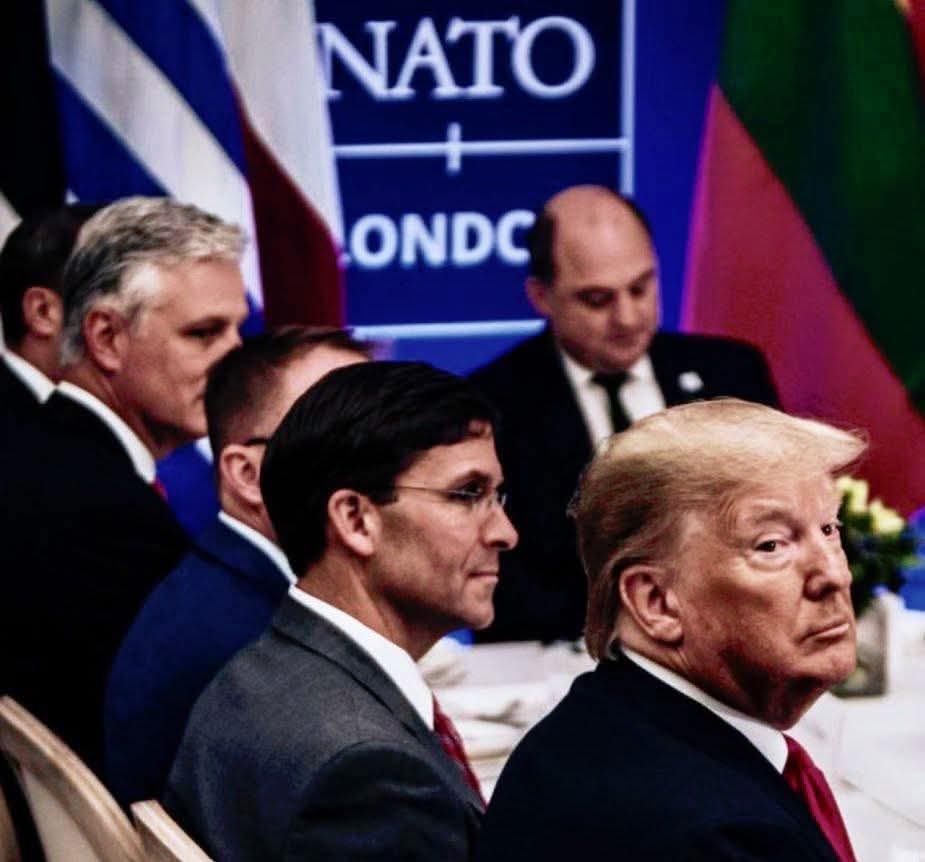
NATO Partners Withhold Territorial Access
Several NATO member states, including the United Kingdom, France, and Germany, have reportedly declined to grant the United States permission to use their territory for potential military strikes against Iran. The decision marks a significant moment in transatlantic relations, as Washington weighs options amid escalating tensions in the Middle East.
Officials familiar with the discussions say the reluctance centers on concerns about regional escalation, domestic political considerations, and adherence to international law. While NATO cooperation remains intact on other fronts, the refusal signals a cautious approach among European governments regarding direct involvement in any potential conflict with Tehran.
Strategic Calculations in European Capitals
In London, Paris, and Berlin, policymakers are said to be balancing alliance commitments with the risks of becoming staging grounds for a broader military confrontation. European leaders have consistently emphasized diplomacy and de-escalation in dealing with Iran, favoring renewed negotiations over expanded military action.
The European Union, though not a military alliance, has also expressed reservations about any action that could destabilize the region further. European officials argue that maintaining open diplomatic channels remains essential to prevent wider conflict that could disrupt global energy markets and heighten security risks across the continent.
Analysts note that granting basing or airspace access would carry political costs domestically, particularly given public skepticism in many European countries about new military engagements abroad.
Tensions Linked to Middle East Dynamics
The reported disagreement comes amid heightened tensions involving Israel and Iran, which have been locked in a shadow conflict spanning years. Recent developments have intensified concerns that the standoff could escalate into direct confrontation.
Some observers suggest that Washington’s close alignment with Israeli security priorities has complicated its diplomatic standing in parts of Europe, Africa, and the Middle East. Critics argue that perceived one-sided policies have strained alliances, while supporters contend that strong backing of Israel is consistent with longstanding U.S. commitments.
Iran has repeatedly warned that any military action against it would trigger a forceful response, raising fears of a broader regional war that could draw in multiple actors.
Questions Over Alliance Unity
The hesitation among NATO countries has fueled debate over the cohesion of Western alliances. While no formal rift has been declared, the refusal to provide territorial access underscores differing strategic calculations between Washington and some of its closest partners.
Security experts emphasize that disagreements within alliances are not uncommon, particularly when potential military action is involved. However, they caution that visible divisions can embolden adversaries and complicate coordinated responses.
The United States has not publicly detailed its operational plans regarding Iran, and officials have declined to confirm specific requests for basing rights. Nevertheless, the discussion itself highlights the complexity of aligning multinational support for high-stakes military decisions.
Broader Diplomatic Implications
Beyond Europe, analysts are watching how the situation could influence U.S. relationships in Africa and the Middle East. Some governments in these regions have also advocated for restraint, concerned that renewed conflict could worsen humanitarian crises and economic instability.
As diplomatic channels remain active, the focus now shifts to whether Washington will adjust its strategy or seek alternative options. For European leaders, the priority appears to be avoiding escalation while preserving alliance ties.
The episode serves as a reminder that even among longstanding allies, consensus on the use of force is never guaranteed. In an increasingly multipolar world, balancing security commitments with national interests continues to test the durability of Western partnerships.