
Oil Prices Surge as Middle East Tensions Escalate
Global oil prices have surged sharply as tensions escalate in the Middle East following military conflict involving Iran. Energy markets reacted quickly to the instability, with crude oil prices climbing above $100 per barrel for the first time in several years. Analysts say disruptions to key shipping routes and fears of reduced supply have driven the dramatic price increase.
The spike has rattled financial markets and raised concerns about the potential impact on global economies, including rising fuel and transportation costs. Energy experts warn that ongoing hostilities in the region could prolong market volatility and push prices even higher if supply disruptions continue.
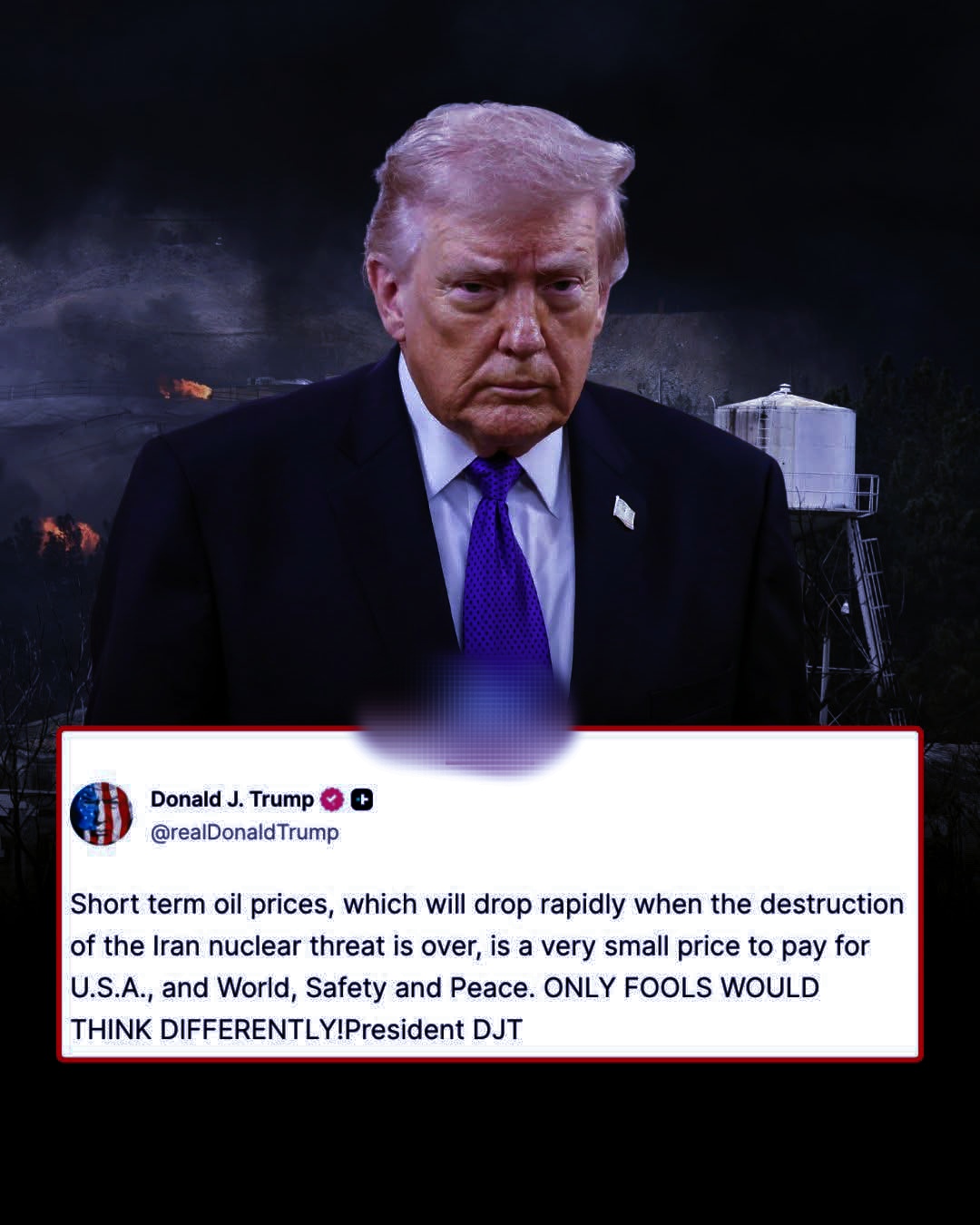
Trump Calls Higher Oil Prices a “Small Price to Pay”
Amid growing economic concerns, U.S. President Donald Trump defended the surge in oil prices, describing it as a necessary sacrifice for long-term global security. In remarks posted on social media, Trump said the temporary increase in energy costs is “a very small price to pay” if it results in eliminating Iran’s nuclear threat and bringing lasting peace.
According to the president, oil prices are likely to decline once the geopolitical crisis is resolved and the perceived nuclear danger from Iran is eliminated. Trump argued that ensuring international safety and stability outweighs the short-term economic pressures caused by higher fuel costs.
Conflict Disrupts Global Energy Supply
The conflict has created major uncertainty for global oil supplies, particularly because of tensions surrounding the Strait of Hormuz, one of the world’s most critical energy shipping lanes. A significant portion of the world’s oil passes through this narrow waterway, making it highly sensitive to regional instability.
Reports indicate that shipping disruptions and fears of potential attacks on oil tankers have slowed energy transport through the region. This has tightened supply across international markets, pushing prices upward as traders anticipate possible shortages.
Some analysts believe that continued conflict could drive prices even higher, potentially reaching $120 or more per barrel if supply interruptions worsen.
U.S. Officials Predict Temporary Price Shock
Despite the surge in oil prices, officials within the U.S. administration have sought to reassure markets and consumers that the increase will likely be temporary. Energy leaders have stated that global oil production remains strong and that the current spike is largely driven by geopolitical risk rather than long-term supply shortages.
They also emphasized that the United States has record domestic production levels and strategic reserves that could help stabilize markets if necessary.
Economic and Political Implications
The rising cost of energy is expected to have widespread effects on transportation, manufacturing, and household expenses worldwide. Higher oil prices often translate into increased gasoline prices and higher costs for goods and services.
At the same time, the situation carries political implications as governments balance military objectives with economic pressures at home. Critics argue that prolonged conflict could strain global markets, while supporters of the administration’s strategy believe the long-term security benefits justify the short-term economic impact.
For now, global energy markets remain highly sensitive to developments in the conflict. Any escalation—or progress toward de-escalation—could significantly influence the direction of oil prices in the coming weeks.