
Searching the Fluid Modern Recruiting Landscape
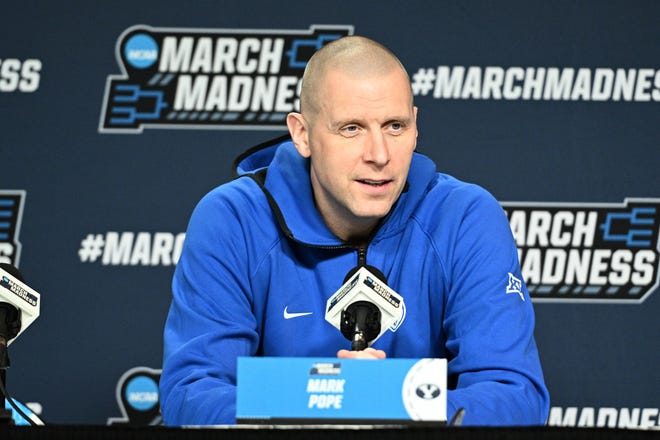
As summer practice sessions conclude inside the Joe Craft Center, Kentucky head basketball coach Mark Pope faces one of the most compelling strategic decisions of the entire college basketball offseason. The Wildcats currently hold 14 active scholarship players, leaving a single roster spot open as the program prepares for the upcoming campaign as they build toward national contention. In a comprehensive two-part sit-down interview on The Field of 68 with veteran college basketball analyst Jeff Goodman, Pope candidly broke down how his front office is navigating that 15th roster spot. Rather than rushing to fill the opening early in the transfer cycle, Kentucky purposefully slow-rolled its pursuit to capitalize on late-emerging opportunities across an unpredictable recruiting terrain.
Evaluating the Diverse Talent Pool Options
The potential avenues available to Kentucky reflect the modern, rapidly changing realities of college basketball roster management. Pope revealed that his staff is actively scouring three primary avenues: high-upside high school prospects weighing a late reclassification into the current class, elite international playmakers, and experienced fifth-year veterans attempting to navigate complicated NCAA legal injunctions to secure an additional year of playing eligibility. Pope emphasized that modern recruiting operates on an hour-by-hour basis, shaped as much by evolving administrative rules as by traditional player evaluation. While the Wildcats turned away certain options earlier in the summer, they remain aggressively positioned to land a impactful contributor if the right match arises.
Identifying the Physicality Gap
Beyond mere roster balance, Pope offered an unusually direct evaluation of his team’s overarching identity following eight full weeks of intensive summer practices. While the head coach praised his squad’s perimeter quickness, deep shooting, functional length, and exceptional team chemistry, he openly flagged raw physical power as Kentucky’s primary vulnerability. Across the national landscape, prominent powerhouse programs such as Michigan, Arizona, and Duke have leaned heavily into massive interior lineups designed to bully opponents in the paint. Pope admitted that Kentucky currently lacks that level of brute force, recognizing that paint physicality will pose a stiff challenge once non-conference battles and SEC play commence.
Targeting Roster Needs
That glaring physical disparity could ultimately determine how Kentucky deploys its remaining scholarship slot. Frontcourt depth remains a central focus, especially given the physical toll of a long regular season and high-stakes postseason run. While Pope remains confident that his team’s natural connectivity, speed, and conditioning will breed functional toughness, adding a legitimate interior enforcer would provide critical insurance against physical, rebound-heavy opponents and help neutralize elite opposing centers. Securing an interior rim protector or physical rebounder would balance Kentucky’s high-tempo, skill-based perimeter attack with much-needed muscle down low.
Navigating the Unpredictable Horizon
Kentucky’s patient, front-office approach highlights a modern college basketball strategy where organizational flexibility functions as a primary competitive advantage. Pope and his staff continue to survey national and global talent pools daily, fully prepared to strike whenever a high-impact piece becomes available. Whether that final scholarship goes to a reclassified recruit, an international standout, or an extra-eligibility veteran, Kentucky’s commitment to building a championship contender remains total in search of ultimate glory. As the regular season approaches, the Wildcats are working endlessly to shore up their weaknesses and translate their swift, skilled lineup into a dominant force on the floor.