
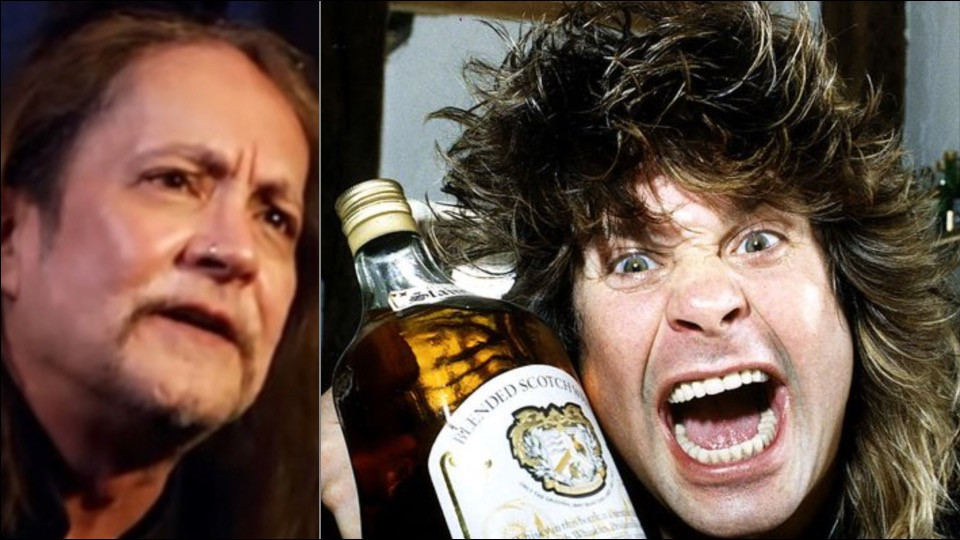
🎸 Former Ozzy Osbourne guitarist Jake E. Lee recently pulled back the curtain on the turbulent reality of touring with the Prince of Darkness in the 1980s, revealing that the legendary frontman’s alcohol consumption often turned joyous occasions into unsettling ordeals. During an appearance on the C&F Podcast, Lee, who played on the albums Bark at the Moon and The Ultimate Sin, stressed a stark contrast between Ozzy’s sober and intoxicated personalities.
😇 The Sweetness and the Switch
Lee’s account begins with high praise for Osbourne’s sober disposition. “Ozzy, when he’s sober, is a sweet, funny guy,” Lee stated. “He’s like one of the funniest guys I’ve ever met. He’s just fun to be around when he’s sober.”
The guitarist noted that this fun persona extended briefly into the initial stages of drinking. “And he is for a little bit, just a tiny bit of a window there, where he starts drinking – he’s still fun,” Lee explained. However, this period of levity was short-lived, preceding a dramatic transformation that changed the atmosphere completely.
“Then he just – a switch goes off and he’s just, he’s not fun. He is not fun. He turns mean. And just ugly.”
Lee admitted that witnessing this darker side of Osbourne’s drinking provided a grim lesson that influenced his own choices on the road. “If anything, seeing that made me cut back on the amount of partying I did,” he confessed. “Yeah, it never was fun to party with Ozzy.”
🌙 Midnight Songwriting Sessions and Incoherent Ideas
Beyond the volatile behavior at parties, Lee also recounted disruptive incidents that interfered with his rest and professional workflow. He described frequent, unwelcome visits from a drunken Ozzy in the dead of night, often around “three or four in the morning.”
Lee recalled being awakened by insistent knocking: “I’d be sleeping and I’d wake up ’cause he wouldn’t quit knocking until I opened the door… and he’d come in: ‘I got this idea for a song.’ ‘Ahhhh. OK. Let me get my guitar.'”
The frustrating part of these interruptions, according to Lee, was that once the guitarist was awake, ready, and plugged in to work, Osbourne was no longer capable of articulating his musical ideas. Instead of coherent thoughts or melodies, Lee was met with incomprehensible sounds. The chaotic late-night “songwriting” sessions highlight the difficult, often draining experience of maintaining a professional relationship with an artist struggling with severe addiction, forcing Lee to navigate the creative demands of the job alongside the personal challenges of his bandmate.
Lee’s candid recollection adds a somber layer to the rock and roll mythos, offering a realistic glimpse into the toll that substance abuse takes not just on the individual, but on the relationships and creative process surrounding them.