
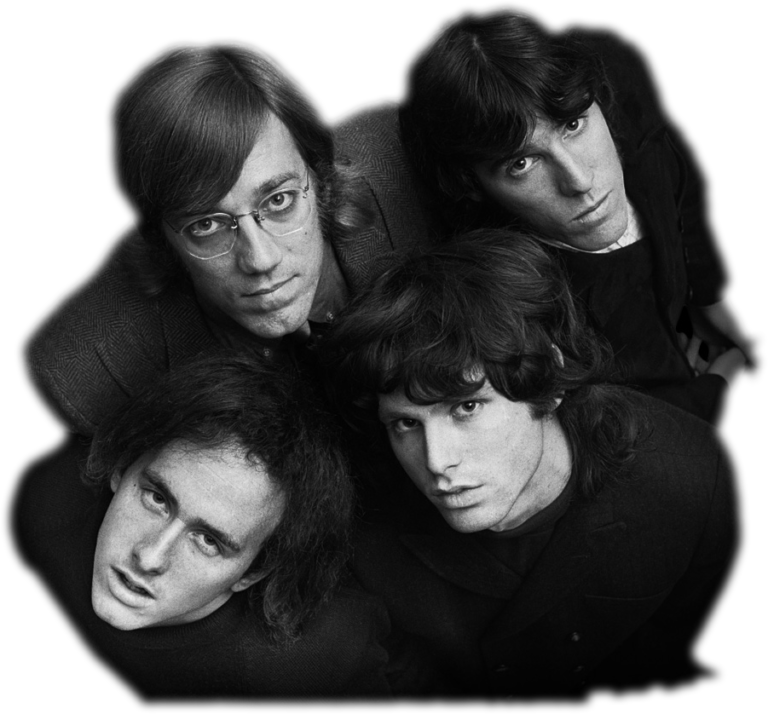
When **The Doors** emerged from the Los Angeles underground in 1967, they didn’t just climb the charts; they dismantled the prevailing expectations of what a rock band could be. While the “Summer of Love” saw many of their contemporaries focused on the bright, psychedelic themes of peace and sunshine, the quartet of **Jim Morrison, Ray Manzarek, Robby Krieger, and John Densmore** chose to explore the “heart of darkness.” Their arrival signaled a fundamental shift in the dynamic between artist and listener, moving away from simple entertainment toward a visceral, often confrontational shared experience.
Even fifty years after their self-titled debut, the band’s influence remains a towering presence in the musical landscape. Despite decades of imitators attempting to capture their lightning, The Doors remain a singular phenomenon in the history of rock.
A Sound Without Equal
The band’s enduring power lies in an “intoxicating” sonic architecture that defied easy categorization. By blending elements of blues, jazz, classical, and flamenco, The Doors created a backdrop that was as sophisticated as it was haunting. Ray Manzarek’s hypnotic organ swells and Robby Krieger’s distinctive guitar work provided a cinematic atmosphere that allowed the band to pivot from radio-friendly pop hits to lengthy, avant-garde explorations. This uncompromising musicality ensured that their albums became “stone classics,” retaining a fresh, modern edge that continues to resonate with new generations.
The Shamanic Presence of Jim Morrison
At the center of this sonic storm was Jim Morrison, a figure who transcended the role of a traditional frontman. Armed with the soul of a poet and a mesmerizing stage presence, Morrison transformed concerts into theatrical, shamanic rituals. His lyrics pushed past the surface of pop culture, diving into deep psychological and philosophical territory. It was this refusal to play the part of a “mere entertainer” that allowed The Doors to have a transformative impact on the broader cultural consciousness. They didn’t just provide a soundtrack; they provided a lens through which an entire generation could view the complexities of the human condition.
An Immortal Legacy
Today, the legacy of The Doors is more than a collection of hit singles. It is a testament to the power of artistic integrity and the courage to confront the unknown. Their music remains a staple of global culture, influencing everything from film scores to modern alternative rock. In a world of fleeting trends, The Doors stand as a permanent monument to the idea that music can be provocative, dark, and beautiful all at once—solidifying their place as one of the most influential forces in the history of popular art.