
Public Opinion Splits Along Party Lines
Recent national polling indicates that Americans remain deeply divided over U.S. military involvement in Iran, with attitudes largely shaped by political affiliation. Surveys conducted since the start of the conflict show that opposition to military action currently outweighs support among the general public. While some Americans believe confronting Iran is necessary to protect national interests, others worry that escalating military engagement could create greater risks for the United States and its allies.
Political divisions are particularly visible between Democrats and Republicans. Support for military action tends to be higher among Republican voters, many of whom view Iran as a direct threat to global security and U.S. stability in the Middle East. Meanwhile, a significant portion of Democratic voters and independent Americans remain skeptical, questioning whether military action will ultimately make the country safer or lead to another prolonged overseas conflict.
Concerns That the War Could Make the U.S. Less Safe
One of the most notable findings across several polls is the growing concern among Americans that military action against Iran could actually make the United States less secure. Many respondents say they fear retaliation, expanded regional conflict, or potential terrorist threats as a result of the war.
Despite these concerns, most Americans still view Iran as a serious geopolitical threat. Poll participants frequently acknowledge Iran’s nuclear ambitions, regional influence, and military capabilities as reasons the country remains a security concern for the United States. This dual perception—seeing Iran as dangerous while also questioning military intervention—highlights the complicated views Americans hold about the conflict.
Economic Worries Add to Public Anxiety
Economic concerns are also playing a significant role in shaping public opinion. Polls conducted over the weekend reveal that a large majority of Americans are worried the conflict could drive up oil and gasoline prices. The possibility of disruptions to global oil supply routes has fueled fears of rising fuel costs, which could affect transportation, food prices, and overall inflation.
Fluctuating oil markets in recent days have already drawn attention from voters who remain sensitive to fuel price changes. Many Americans remember how geopolitical tensions in the Middle East have historically triggered spikes in energy costs, placing additional pressure on household budgets and the broader economy.
Trump Faces Political Challenges as Conflict Continues
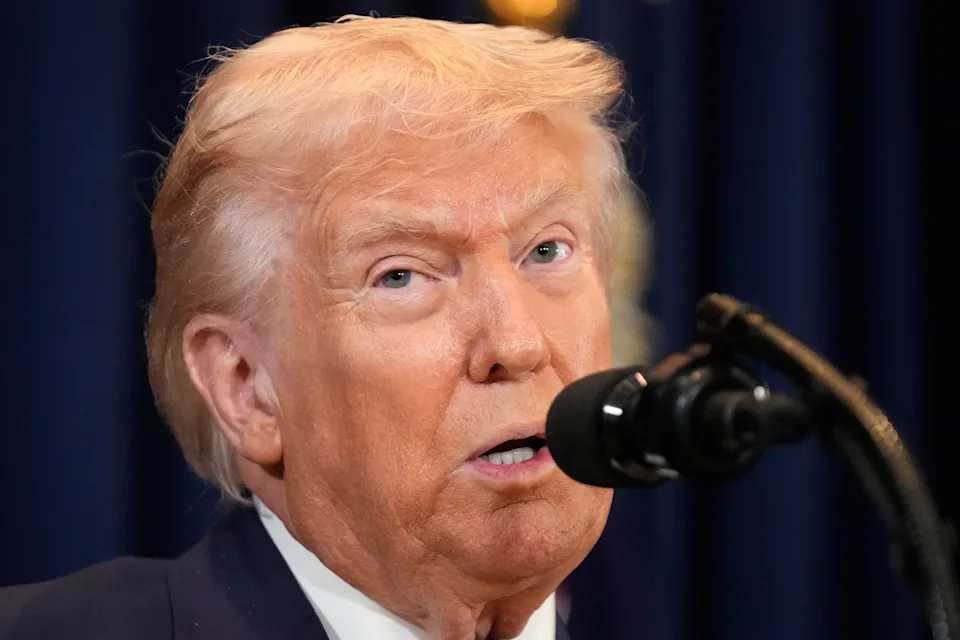
The ongoing war presents potential political challenges for Donald Trump, particularly if the conflict becomes prolonged. Polling suggests that voters are wary of entering another long-term military engagement similar to past conflicts in the region.
Trump’s recent statements have added to the uncertainty surrounding the war’s direction. On Monday, the president suggested that the conflict could be nearing its conclusion, while simultaneously warning that the United States could deploy additional force if Iran attempted to disrupt the global oil supply.
These mixed signals have left many Americans uncertain about the administration’s long-term strategy. Political analysts note that public patience for extended military operations can quickly erode if economic pressures rise or casualties increase.
Expectations of a Long Conflict
Another key takeaway from recent surveys is that most Americans do not expect the conflict to end quickly. A large share of respondents believe U.S. involvement in Iran will last for months or possibly longer.
This expectation reflects growing skepticism about the ability to resolve complex geopolitical conflicts rapidly. With tensions continuing in the region and economic concerns mounting at home, public opinion may continue to shift as the war develops.
For now, polling shows that Americans remain cautious, conflicted, and closely watching how the situation unfolds.