
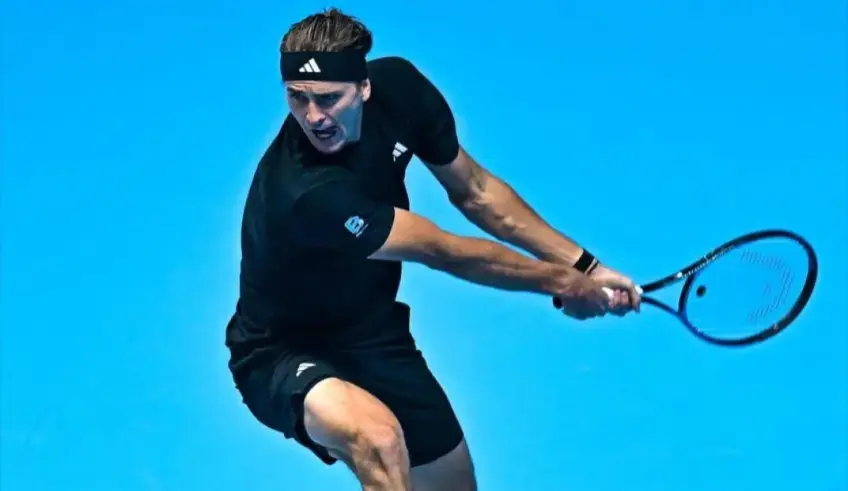
As the 2026 Australian Open approaches, Alexander Zverev finds himself at a crucial crossroads in his career. The German star, currently ranked world No. 2, is determined to turn the page after a 2025 season that fell well short of expectations. For a player long tipped as a future Grand Slam champion, last year proved to be a sobering reminder of how unforgiving the elite level of men’s tennis can be.
Coming into 2025, many experts believed Zverev was finally ready to break his major curse. His run to the Australian Open final earlier in his career had raised hopes that Melbourne could become the stage where he would claim his first Grand Slam title. However, those ambitions were once again put on hold after a one-sided defeat to former world No. 1 Jannik Sinner in the final. The loss was decisive and left visible scars, both in confidence and momentum, that followed Zverev throughout the rest of the season.
Rather than serving as a springboard, that disappointment appeared to weigh heavily on the Hamburg native. The repercussions were felt across the remaining three Grand Slam tournaments, where Zverev struggled to find rhythm, belief, or consistency. Early exits and underwhelming performances replaced the deep runs that had once defined his steady rise. For a player of his pedigree, the contrast was stark and difficult to ignore.
The situation prompted a period of reflection and reassessment. After a premature elimination at Wimbledon, Zverev explored the possibility of reshaping his support team in a bid to reignite his Grand Slam ambitions. Among the most notable developments was his attempt to recruit Toni Nadal, one of the most respected coaches in the sport and the architect behind Rafael Nadal’s legendary career. The move signaled Zverev’s willingness to make bold changes and seek guidance from proven winners.
However, that plan did not come to fruition. Toni Nadal ultimately declined the offer, making it clear that he had no intention of returning to the relentless demands of full-time travel on the ATP Tour at this stage of his life. While the rejection was a setback, it also underscored the reality Zverev faces: there are no shortcuts to success at the highest level, and solutions must often come from within.
As 2026 begins, Zverev has adopted a more measured and precise strategy. Instead of chasing quick fixes, he is focusing on refining his game, strengthening his mental resilience, and carefully managing his schedule in the build-up to Melbourne. Those close to the player suggest that the emphasis is now on long-term stability rather than dramatic overhauls, with particular attention paid to his serve consistency, baseline patience, and ability to perform under pressure in best-of-five-set matches.
The Australian Open represents more than just another tournament for Zverev. It is an opportunity for redemption and a chance to redefine the narrative surrounding his career. At 28, he remains firmly in his prime, armed with experience, physical strength, and an enduring belief that he can still conquer the sport’s biggest stages.
Whether this refined approach will finally deliver the breakthrough he craves remains to be seen. What is clear, however, is that Alexander Zverev enters the 2026 Australian Open with renewed focus, hard-earned perspective, and a determination to ensure that past disappointments do not dictate his future.