
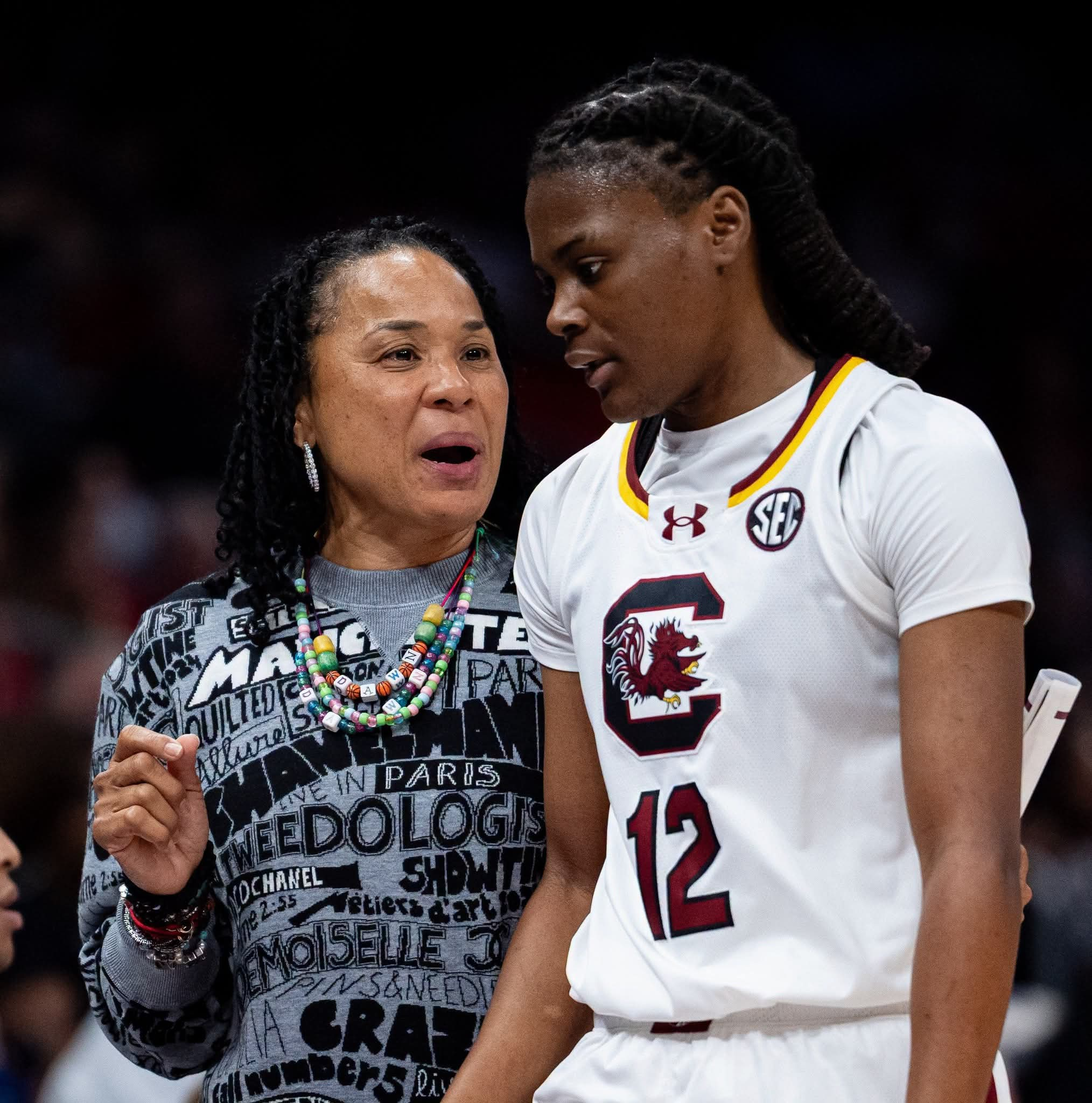
Character Comes Before Basketball for Staley
In women’s college basketball, recruiting is about much more than identifying talented players and building championship-caliber teams. For South Carolina head coach Dawn Staley, developing young athletes also means shaping their character, teaching life lessons, and preparing them for challenges beyond the basketball court.
Staley has consistently demonstrated that her responsibilities as a coach extend far beyond practices, game plans, and victories. Her approach to mentorship has become one of the defining characteristics of her leadership in Columbia.
That philosophy has drawn attention amid conversations surrounding Milaysia Fulwiley’s basketball journey and her situation at LSU.
Staley’s Recruiting Philosophy Goes Beyond Talent
One particular aspect of Staley’s recruiting philosophy offers insight into the values she prioritizes when evaluating potential players. The South Carolina coach has previously explained that she pays close attention to how recruits treat their parents.
For Staley, such behavior can reveal important details about a young person’s character, attitude, and upbringing.
It is an approach that highlights her belief that basketball ability alone should not determine whether a player is the right fit for her program. Talent might open doors, but respect, discipline, accountability, and personal values are equally important in building a successful team.
Her philosophy reflects a broader commitment to developing individuals who understand the importance of representing themselves, their families, and their university with pride.
What Makes Staley’s Leadership Different?
At South Carolina, Staley has established an environment where players are expected to grow both athletically and personally.
Her coaching style combines encouragement with accountability. She is known for challenging her players, offering honest advice, checking on their well-being, and pushing them to reach their potential.
Rather than focusing exclusively on what athletes can contribute during games, Staley places considerable importance on who they become throughout their college experience.
That commitment to personal development can be particularly valuable for young players navigating the pressures of high-level college basketball.
Having a coach who genuinely invests in their future can make a significant difference, especially when athletes encounter difficult situations or face important career decisions.
Could Columbia Have Been Different for Fulwiley?
Naturally, discussions about Fulwiley’s situation at LSU have prompted questions about what her college basketball experience might have looked like under Staley’s leadership at South Carolina.
There is no evidence establishing that Fulwiley’s current circumstances would have been different had she chosen another destination. Her decision to attend LSU should also be considered independently of the challenges being discussed.
Nevertheless, Staley’s reputation for mentorship makes the hypothetical interesting.
Ultimately, great coaching involves more than producing outstanding basketball players. It also means building confidence, providing guidance, and helping young women navigate life beyond the sport.
Whether on the court or away from it, Staley’s commitment to developing complete individuals remains an important part of her legacy.
What do you think? Could Dawn Staley’s mentorship have made a difference in Milaysia Fulwiley’s journey?