
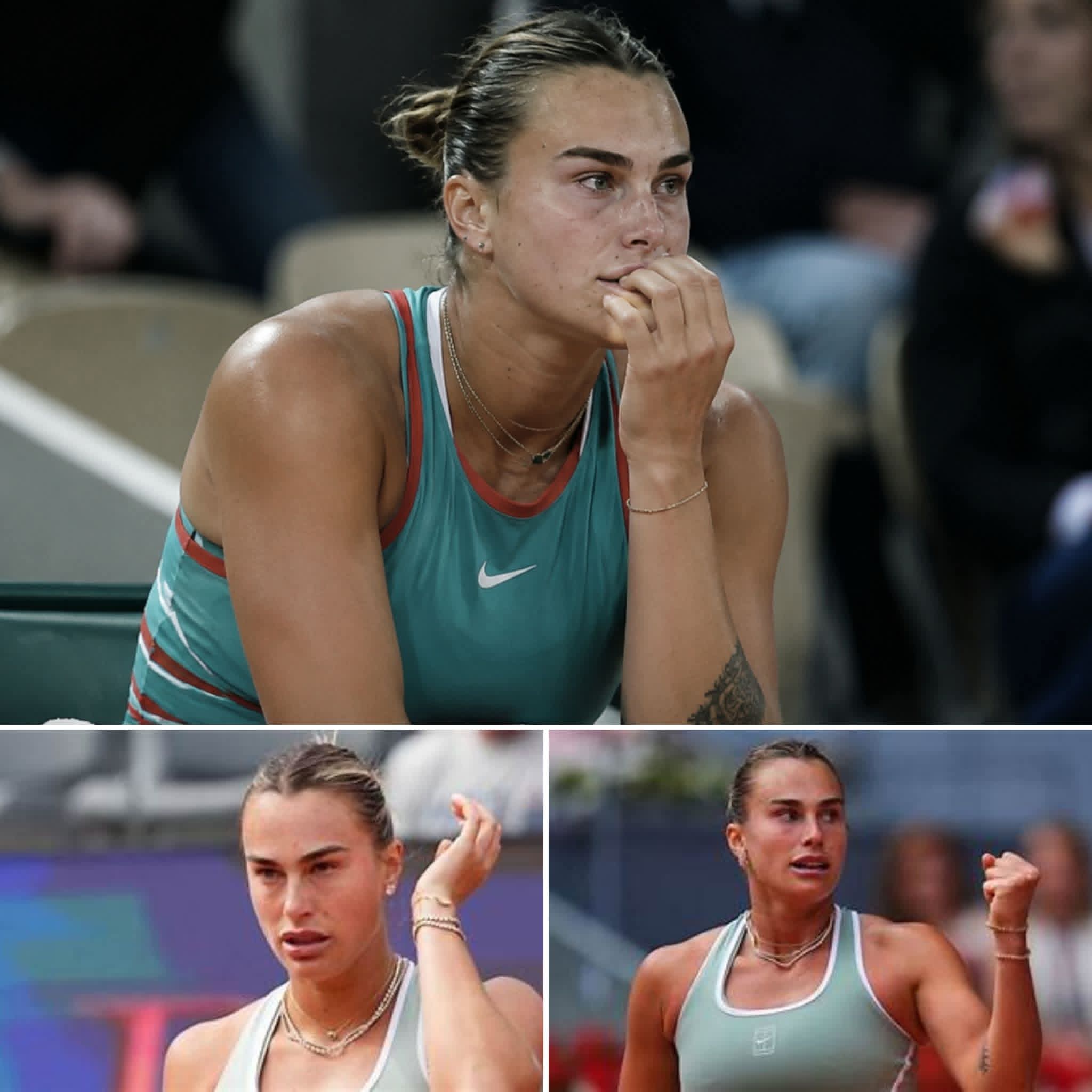
The relentless pressure of elite professional tennis has once again taken center stage following a vulnerable revelation from one of the sport’s biggest stars. In the immediate aftermath of a deeply disappointing exit at Roland Garros, world number two Aryna Sabalenka sparked widespread conversation across the tennis community with an emotionally charged post-tournament reflection. Admitting to her followers that she may have “gone too deep” and become overly invested emotionally, the multi-time Grand Slam champion laid bare the profound psychological toll that comes with competing at the absolute pinnacle of the sport.
What began as a raw, candid moment of self-reflection quickly evolved into a major talking point among analysts, fans, and insiders alike. Sabalenka’s vulnerability offered a rare, unpolished look behind the curtain of professional athletics, prompting a broader discussion about the immense expectations placed on modern tennis players. For an athlete known for her explosive power and fierce on-court demeanor, the sudden admission of emotional exhaustion signaled a pivotal moment in her season.
The Mental Toll of Elite Competition
The conversation surrounding Sabalenka’s emotional state intensified significantly following subsequent reports that the tennis star had actively sought the guidance of a sports psychologist. In a sport where mental fortitude is just as critical as physical conditioning, turning to professional psychological support is increasingly recognized as a vital tool rather than a sign of vulnerability. However, the revelation immediately fueled intense discussions regarding the grueling nature of the WTA tour, where the constant cycle of travel, intense public scrutiny, and high-stakes matches can wear down even the most resilient competitors.
Competing at the highest echelon of tennis requires an unwavering psychological baseline, a balance that Sabalenka has openly struggled to maintain at various points throughout her career. By acknowledging the heavy burden of her Roland Garros disappointment, she has brought renewed attention to the critical importance of mental health infrastructure in professional sports. The public reaction was swift, with fellow players and fans offering an outpouring of support for her transparency.
A Powerful Crossroads: Comeback or Deeper Struggle?
As the tennis calendar shifts away from the clay courts of Paris, a defining question now drives the global conversation: is this emotional confession the catalyst for a powerful, reinvented comeback, or does it reveal a much deeper, ongoing struggle behind the scenes? History has shown that acknowledging emotional burnout can be the first step toward a triumphant return, allowing an athlete to recalibrate, shed unnecessary pressures, and return to the court with a cleared mind and renewed focus.
Conversely, some analysts wonder if the admission points to a more complex mental hurdle that could impact her performance in upcoming tournaments. Striking the perfect balance between intense competitive drive and emotional detachment is an ongoing battle for elite athletes. Whether Sabalenka can channel this vulnerability into a source of renewed strength remains to be seen, but her willingness to confront these internal challenges openly ensures that her journey forward will be watched with immense empathy and anticipation by the entire sporting world.