
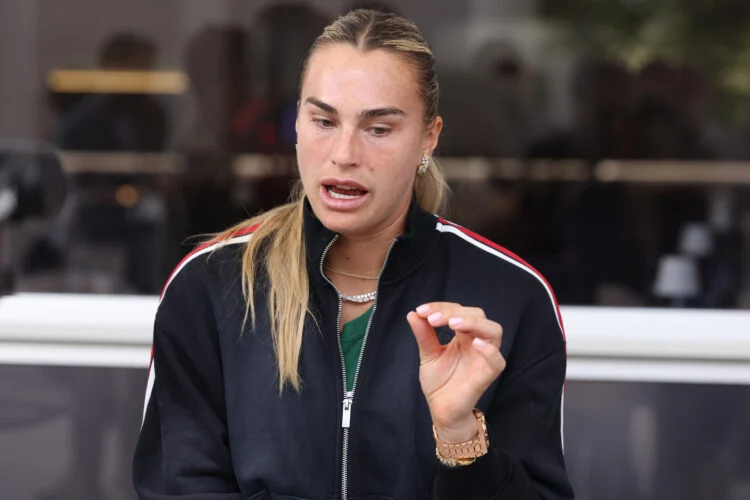
For the first time in years, the Porsche Tennis Grand Prix felt a little less “Aryna.” After four consecutive runner-up finishes at the prestigious indoor clay event, World No. 1 Aryna Sabalenka was a notable absence from the 2026 draw. While Elena Rybakina eventually hoisted the trophy, the shadow of the world’s top-ranked player loomed large over the tournament she has come so close to winning so many times.
Sabalenka’s withdrawal initially came with a standard medical explanation: an injury sustained during her grueling, triumphant run through the “Sunshine Double.” Having conquered both Indian Wells and Miami back-to-back—a feat that cemented her status at the pinnacle of the rankings—the physical toll appeared to have finally caught up with the Belarusian powerhouse. However, in a candid reflection following the tournament, Sabalenka suggested that the decision to skip Stuttgart was more than just a reaction to a single ailment; it was a strategic pivot in her career philosophy.
A Body Under Pressure
While the fans in Stuttgart were disappointed, Sabalenka admitted that her body has been signaling for a ceasefire. The first four months of the 2026 season have been a whirlwind of high-intensity matches and transcontinental travel. Despite the silverware, she confessed that her physique has not always been “cooperating” with the demands of the WTA tour’s relentless schedule.
> “It was a shame for me to miss Stuttgart,” Sabalenka remarked. “I’ll definitely try to come back next year, but the ideal plan is perhaps to open up my schedule a bit more so I can stay healthy and be ready to show my best form in every tournament I play.”
>
This shift in mindset marks a significant evolution for the World No. 1. In previous years, Sabalenka was known for her “workhorse” mentality, often playing through minor niggles to maintain momentum. Now, sitting atop the rankings, the goal has shifted from accumulating points to sustained excellence and Grand Slam readiness.
The Cost of the Sunshine Double
Completing the Sunshine Double is widely considered one of the most difficult tasks in tennis, requiring peak physical and mental performance across two different environments in less than a month. By the time the tour transitioned to the indoor clay of Germany, Sabalenka was running on empty.
The “real reason” for her absence, as she hinted, wasn’t just a specific muscle tear or joint pain, but a holistic need to recalibrate. To avoid burnout and long-term injury, the “Espresso Martinis and Five Guys” enthusiast chose rest over the pursuit of a fifth Stuttgart final. It is a calculated gamble: sacrificing a favorite stop on the tour to ensure she arrives at Roland Garros at 100% capacity.
Looking Ahead to 2027
Despite the hiatus, Sabalenka’s affection for the Stuttgart crowd remains. Her promise to return in 2027 suggests that the “Porsche” trophy remains a white whale she is determined to catch. For now, however, the tennis world will have to get used to a more selective Sabalenka—one who prizes the quality of her health over the quantity of her appearances.
As the clay season intensifies, all eyes will be on whether this period of rest allows the World No. 1 to dominate the European summer, or if the lack of match play on dirt will prove a hurdle too high to climb.