
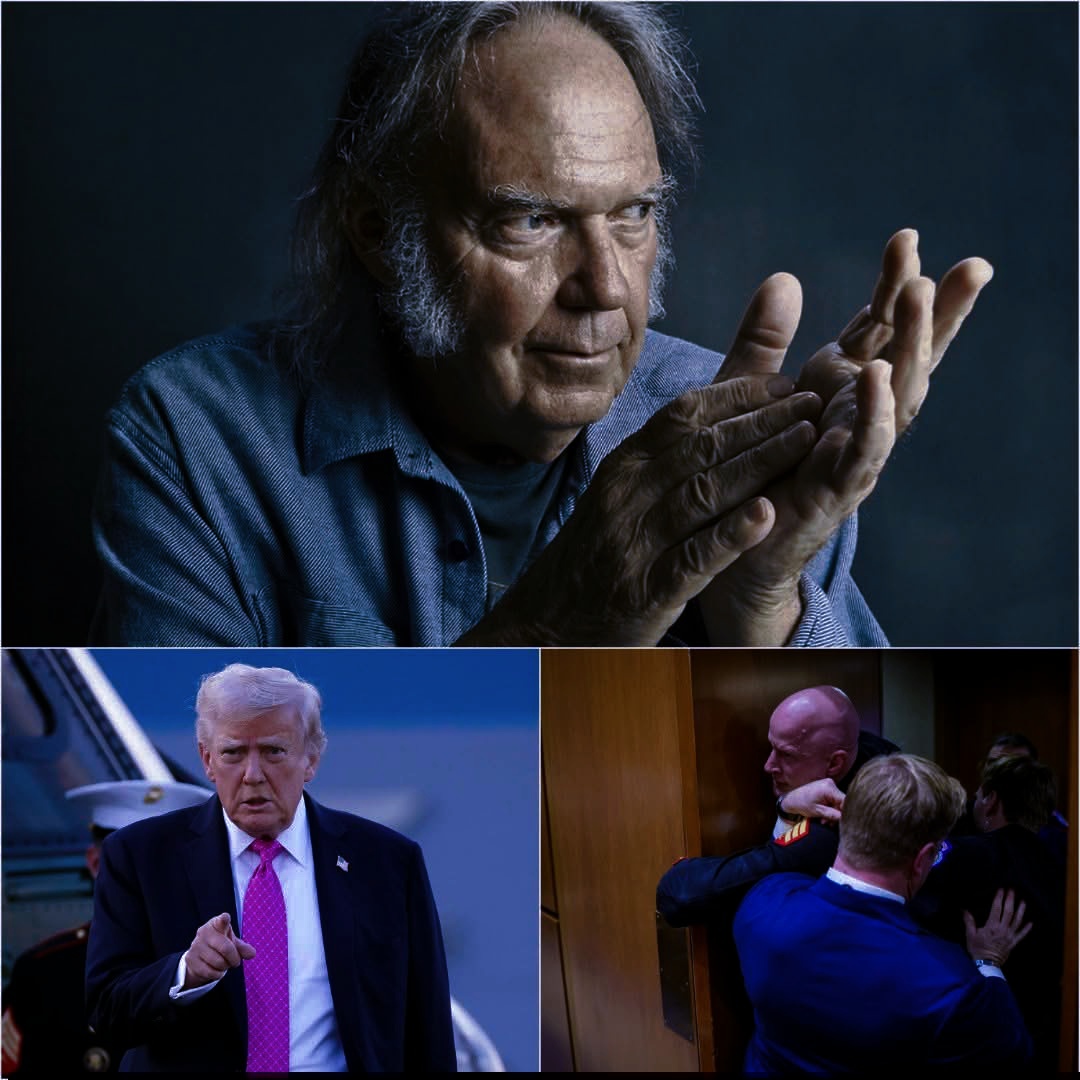
The Godfather of Grunge Confronts the Frontrunner
The intersection of rock and roll and political activism has a long, storied history, but few voices carry the gravelly weight of Neil Young. The “Rockin’ in the Free World” singer has once again stepped into the national spotlight, launching a pointed critique of President Donald Trump. This latest friction follows a series of polarizing comments made by Trump regarding the military—rhetoric that Young has publicly branded as “disrespectful.” Known for his unwavering stance on civil liberties and government accountability, Young’s intervention adds a legendary layer of scrutiny to an already combustible campaign season as the 2026 political cycle begins to heat up.
Defending the Guardians of the Constitution
At the heart of Young’s rebuke is a fierce defense of the United States Marines and the broader armed forces. Young argued that the men and women who enlist do so with a singular, sacred mission: to protect and defend the U.S. Constitution. He drew a sharp line between domestic defense and foreign entanglement, expressing a firm opposition to seeing American lives lost in “Israel’s wars” or other overseas interventions. According to Young, these “complicated” global agendas often serve interests far removed from the American soil the troops swore to protect. His argument suggests that the ethical weight of sending young Americans into combat zones is being treated too lightly by those vying for the Oval Office.
The “Silent Majority” and the Digital Divide
Young’s assertion that soldiers deserve to be shielded from being used as “pawns” in geopolitical chess matches has ignited a firestorm across social media. The response has been deeply divided, reflecting a nation grappling with its role on the world stage. Many military families and veterans have rallied behind the singer, praising his defense of what he calls the “silent majority”—those who serve without a voice in the halls of power. Conversely, staunch supporters of the former President have dismissed Young’s comments as “out of touch” celebrity activism, standing firmly behind Trump’s “America First” interpretation of military strength and foreign policy.
A Growing National Dialogue on Combat Ethics
Beyond the celebrity-versus-politician spectacle, the exchange has catalyzed a broader conversation about the moral obligations of a Commander-in-Chief. As the United States navigates an increasingly fractured international landscape, the question of when and why to deploy troops remains a central pillar of the national discourse. Young’s commentary has forced a re-examination of the “Built by Bama” style of grit—applying it not just to sports or labor, but to the resilience required of the military. By insisting on protection and praise for the forces rather than political exploitation, Young has ensured that the ethics of foreign intervention remain a front-and-center issue for voters.