
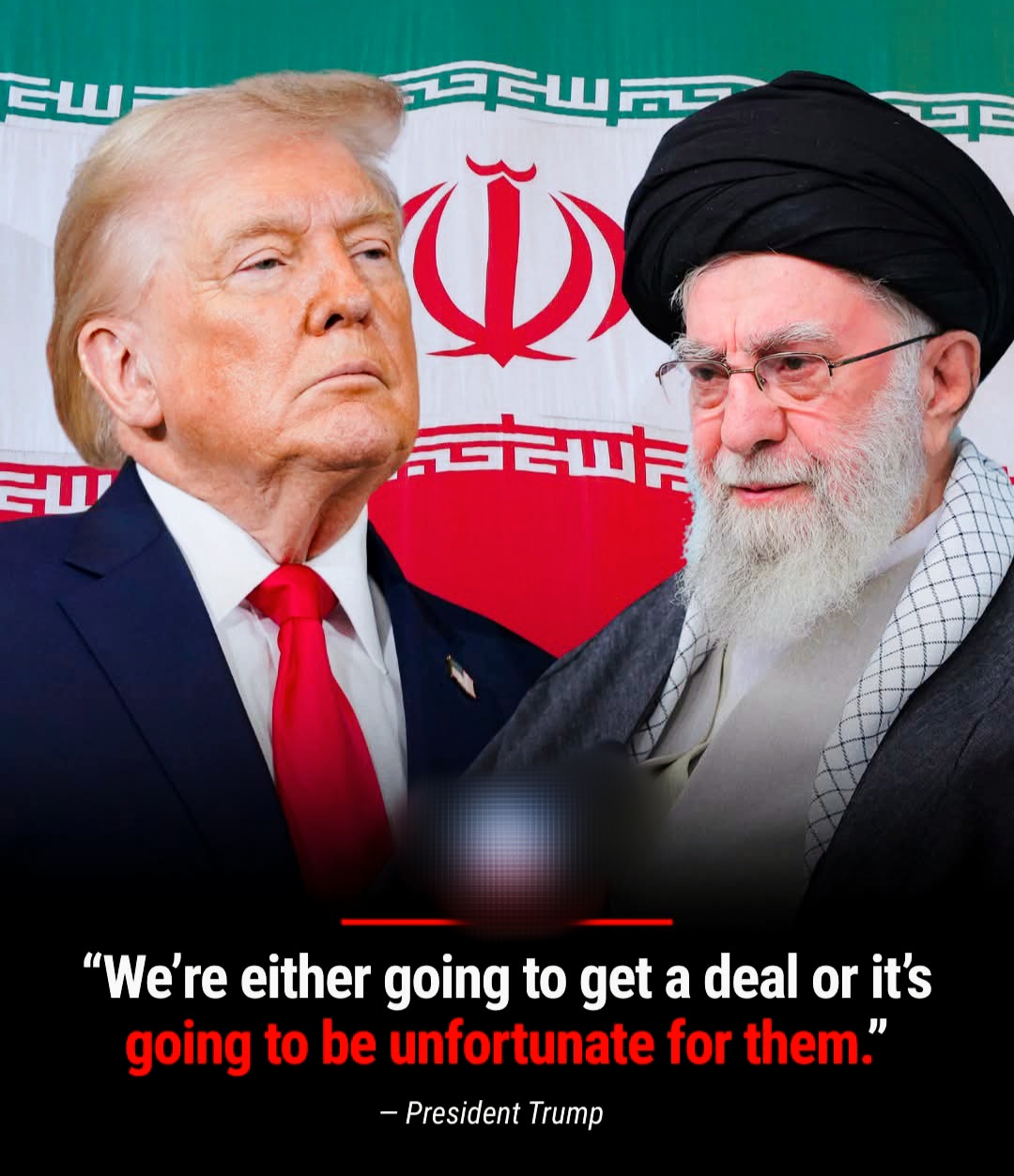
The geopolitical clock is ticking louder than ever in the Middle East. President Donald Trump has issued a stark warning to the Iranian leadership, declaring that Tehran has a narrow window of 10 to 15 days to finalize a comprehensive deal with the United States. Speaking from a position of heightened military readiness, the President signaled that failure to meet this deadline would result in an “unfortunate” outcome—a phrase widely interpreted by analysts as a precursor to direct military intervention or a devastating escalation of the “maximum pressure” campaign.
The Nuclear Threshold and Strategic Demands
At the heart of the ultimatum is Washington’s unwavering demand to halt Iran’s advancing nuclear program. Following reports that Tehran has moved closer to weapons-grade enrichment, the Trump administration has made it clear that “meaningful” concessions are the only path forward. However, the scope of the proposed deal extends far beyond the centrifuges of Natanz and Fordow.
The U.S., supported closely by Israeli intelligence and military planners, is insisting on a total cessation of Iran’s long-range ballistic missile development. This expansion of the negotiating table has historically been a non-starter for Tehran, which views its missile program as a vital deterrent against regional adversaries.
Beyond the Centrifuges: Regional and Domestic Pressure
The administration’s demands also encompass Iran’s geopolitical footprint and its internal governance. For the deal to be acceptable to the White House, Tehran must meet three additional “red line” criteria:
* End Regional Proxy Support: A complete withdrawal of financial and military aid to militant groups across the Middle East.
* Missile Disarmament: The dismantling of delivery systems capable of reaching Europe or, eventually, the American mainland.
* Human Rights Accountability: An immediate cessation of the use of force against domestic protesters, who have recently taken to the streets in several Iranian cities.
An “Armada” in Wait
The diplomatic pressure is mirrored by a massive military buildup. With the USS Gerald R. Ford and other carrier strike groups positioned in the Arabian Sea, the “unfortunate” outcome Trump alluded to is visible on the horizon. While the President has expressed a preference for a “great deal,” the presence of what he has described as an “armada” suggests that the administration is prepared for a “very different path” if the 15-day clock runs out.
As negotiations in Geneva and indirect channels in Oman reach a fever pitch, the world watches to see if Tehran will blink. Iranian President Masoud Pezeshkian has expressed a desire for a “favorable outlook,” yet the gap between U.S. demands and Iranian sovereignty remains a chasm. With the deadline set for mid-March, the next two weeks will likely determine the security architecture of the Middle East for the next decade.