
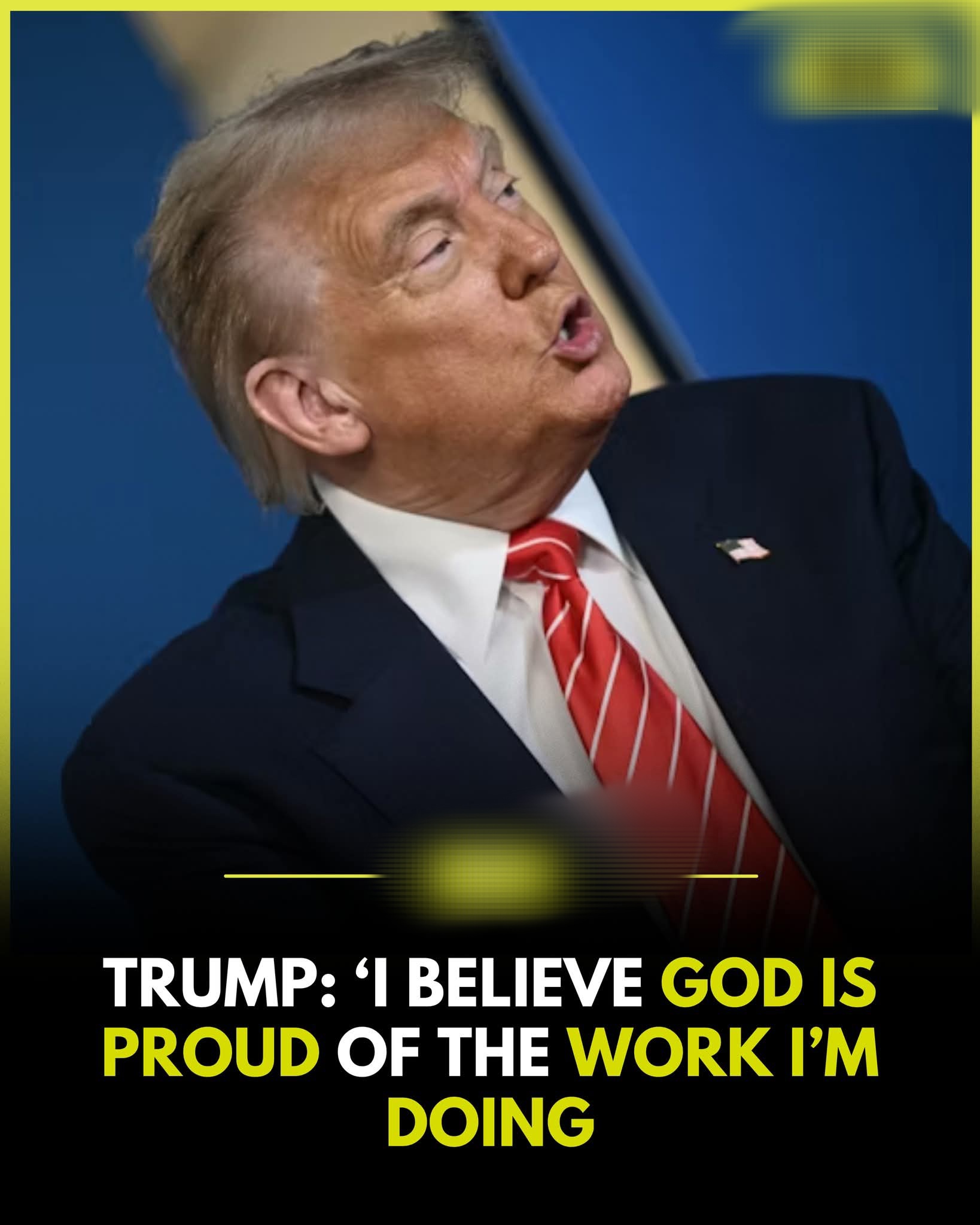
Marking his first anniversary back in the White House, President Donald Trump drew national attention after asserting that his administration’s efforts have earned divine approval. Speaking during a marathon 104-minute briefing on January 20, 2026, Trump was asked whether he believed the Creator was satisfied with his leadership.
“I do actually,” Trump responded, pointing to what he described as policies aimed at protecting religious communities and preventing global conflict. He added that his administration’s actions have helped “save the world,” reinforcing his long-standing message that his presidency carries historic significance.
Faith and Policy at the Forefront
Throughout the briefing, Trump emphasized faith-based initiatives introduced during his first year back in office. Among them is the creation of the Religious Liberty Commission, designed to review and recommend policies affecting religious organizations and believers nationwide.
In addition, the administration established the Task Force to Eradicate Anti-Christian Bias, an initiative supporters say addresses concerns from Christian groups about discrimination in public institutions and workplaces. Backers argue that these measures demonstrate a clear commitment to safeguarding religious freedoms.
White House officials maintain that such efforts are rooted in constitutional protections and are intended to ensure equal treatment for all faith communities.
Supporters Cite Religious Commitment
Trump’s allies have framed these initiatives as evidence that his administration prioritizes faith and moral values. They contend that policies under his leadership have strengthened protections for houses of worship, faith-based charities, and religious expression in public life.
Some supporters also view Trump’s rhetoric about divine approval as consistent with his political narrative, which frequently blends patriotism with spiritual language. For many in his political base, his emphasis on religious liberty resonates strongly.
Critics Raise Concerns
Not all reactions have been supportive. The Interfaith Alliance criticized the administration’s approach, labeling it an example of what they describe as “Christian nationalism.” The group argues that policies favoring a particular religious identity risk blurring the constitutional separation between church and state.
Critics contend that while protecting religious freedom is a fundamental right, government initiatives must be carefully structured to avoid privileging one faith over others. They have called for broader inclusion and safeguards to ensure that minority religious groups and non-religious individuals are equally protected.
Divine Purpose and Political Narrative
During the briefing, Trump also revisited past assassination attempts against him, suggesting that his survival reinforced his belief in a higher purpose. He stated that he believes he was spared for a reason — to “make America great again,” echoing his signature campaign slogan.
Political analysts note that Trump’s comments align with a pattern of framing his leadership in historic and, at times, providential terms. As he moves into his second year back in office, faith and national identity appear poised to remain central themes in his messaging.
The remarks underscore the intersection of religion and politics that continues to shape public discourse across the country.