
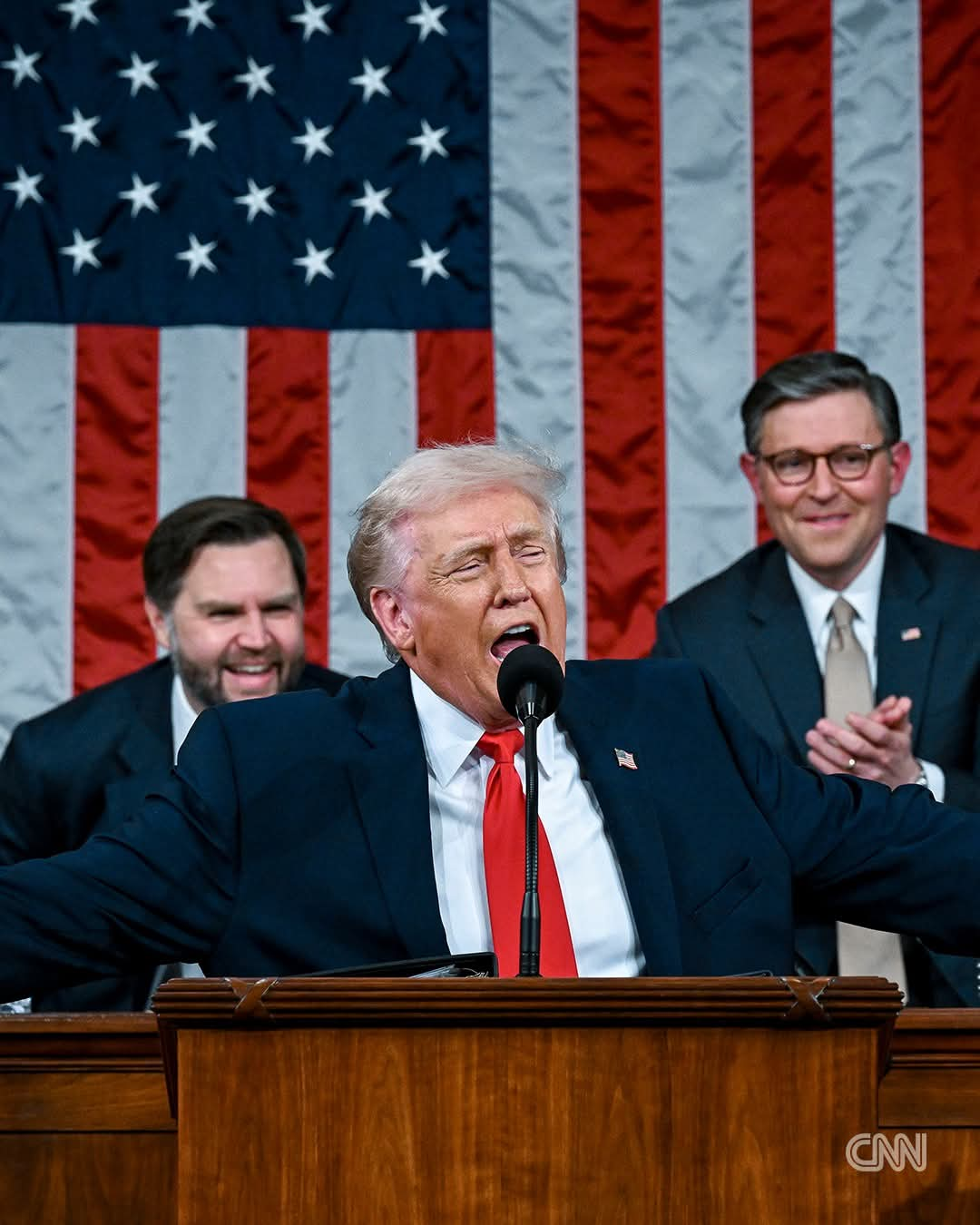
During his recent State of the Union address, President Donald Trump pointed to what he described as a major economic win for American drivers: gasoline prices “well under $2” per gallon in parts of the country. The president framed the claim as evidence that his administration’s energy policies are delivering relief at the pump and strengthening household budgets nationwide.
The remarks drew immediate attention, particularly as fuel prices remain a highly visible measure of economic performance for many voters. With inflation and cost-of-living concerns continuing to shape public debate, gasoline prices have become a frequent talking point in political speeches and campaign messaging.
Analyst Challenges Sub-$2 Claim
However, energy analysts say the broader national picture does not reflect widespread sub-$2 gasoline. Patrick De Haan, a petroleum analyst and head of petroleum analysis at GasBuddy, noted that the national average remains closer to $3 per gallon.
According to De Haan, while isolated stations in select regions may briefly dip below $2 due to local market dynamics or promotions, such prices are not representative of the overall U.S. market. He emphasized that national averages continue to hover near $3, with regional variations influenced by refining capacity, distribution costs, state taxes, and seasonal demand.
Michigan Prices Mirror National Trend
In Michigan, which was referenced during political discussions surrounding the speech, average gasoline prices also remain close to the $3 mark. Market data compiled by fuel-tracking services show that while prices fluctuate week to week, they have not broadly reached the sub-$2 levels highlighted in the address.
Michigan drivers, like others across the Midwest, often experience moderate price swings tied to refinery maintenance schedules and transitions between winter and summer fuel blends. Analysts say these routine adjustments can temporarily push prices up or down, but they rarely result in sustained nationwide lows below $2 in the current market environment.
Energy Policy and Market Forces
The president’s remarks underscore the political weight attached to fuel prices. Historically, administrations from both parties have pointed to falling gasoline costs as proof of effective energy or economic management. Yet experts caution that pump prices are shaped by a complex mix of global oil markets, geopolitical tensions, refining capacity, and domestic demand.
Crude oil prices, which are determined largely by global supply and demand, remain a primary driver. Factors such as production levels from major oil-producing nations, international conflicts, and economic growth forecasts all play a role in setting the baseline cost of gasoline in the United States.
Domestic policy decisions — including drilling permits, pipeline approvals, and environmental regulations — can influence supply over time. But analysts consistently note that no single administration has direct control over day-to-day price movements at the pump.
Political Messaging and Economic Perception
For many Americans, gasoline prices serve as a daily economic barometer. Large price swings can quickly influence public perception, particularly in an election cycle. By highlighting sub-$2 gas, Trump sought to reinforce a broader narrative of economic strength and consumer relief.
Still, market data indicate that the national and Michigan averages remain near $3 per gallon, reflecting a more moderate pricing environment than suggested in the speech. As fuel markets continue to fluctuate, experts say motorists should expect ongoing variability driven by seasonal patterns and global developments.