
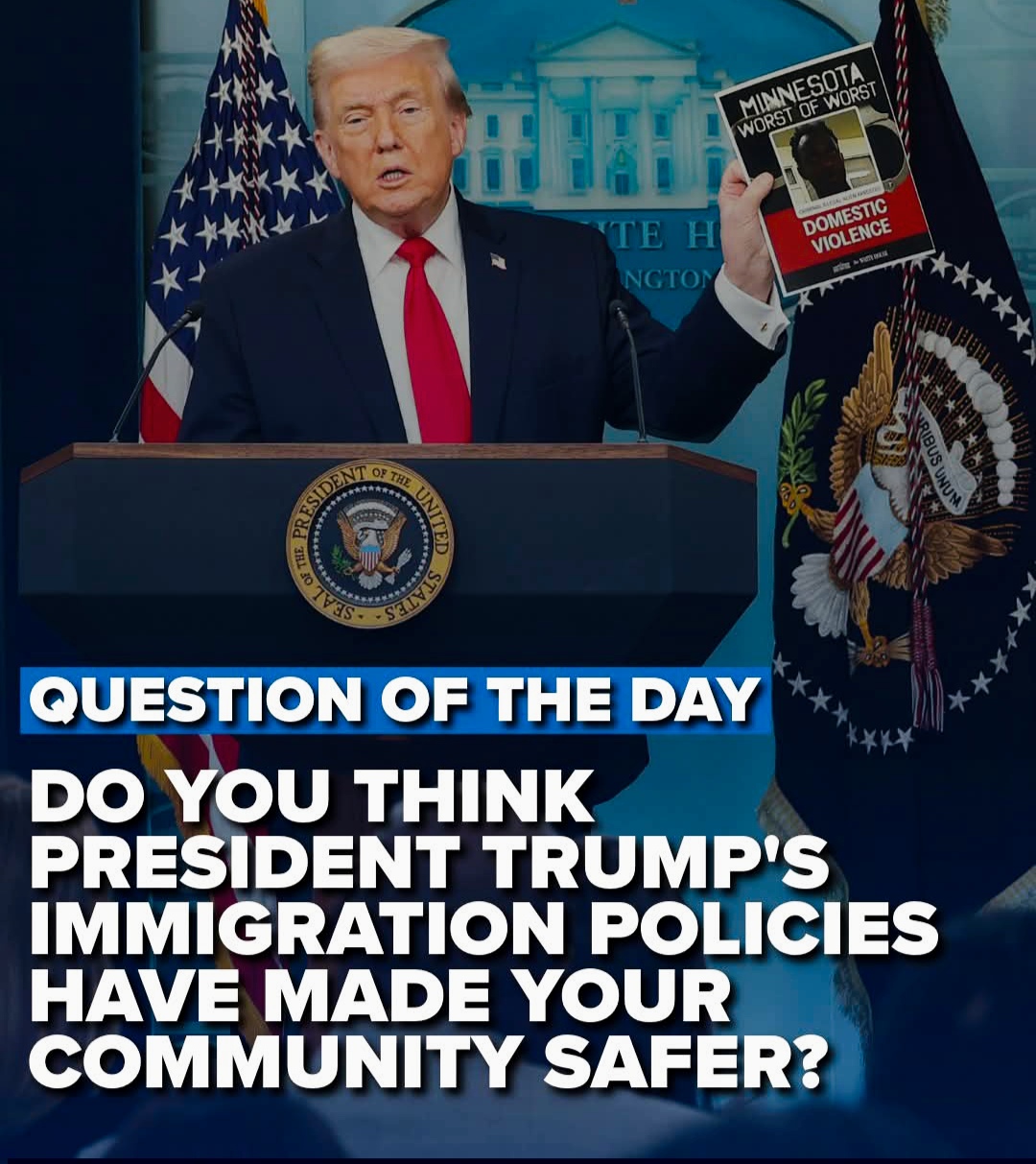
A National Question With Local Impact
Across the United States, debates surrounding immigration policy have once again moved to the forefront of public discourse. Since returning to office, President Donald Trump has revived and expanded several strict enforcement measures, arguing they are necessary to restore law and order and protect American communities. Supporters say the policies are long overdue, while critics warn they risk deepening divisions and fear among immigrants and citizens alike. At the heart of the discussion lies a simple but emotionally charged question: have these policies actually made communities safer?
The Administration’s Safety Argument
The Trump administration maintains that tighter immigration controls directly reduce crime. Officials point to increased border enforcement, expanded detention operations, and cooperation between federal immigration agents and local law enforcement agencies. According to administration statements, removing undocumented individuals with criminal records helps prevent repeat offenses and strengthens public security. Supporters often frame the policy as preventative policing, insisting that a secure border and strict visa controls discourage human trafficking, drug smuggling, and gang activity.
Many backers also believe the policies send a broader message of accountability. For them, immigration enforcement is not only about border crossings but about maintaining respect for national laws. They argue that when immigration rules are enforced consistently, it reinforces trust in the legal system and discourages criminal networks that exploit weak oversight.
Concerns From Critics and Advocates
Opponents, however, challenge both the tone and the evidence behind the safety claims. Civil rights organizations and immigrant advocacy groups say there is limited proof linking immigration levels directly to crime rates. Some researchers have even suggested immigrant populations often commit crimes at lower rates than native-born citizens. Critics argue that aggressive enforcement policies may instead push undocumented residents into hiding, making communities less safe because witnesses may avoid reporting crimes out of fear of deportation.
Local leaders in diverse neighborhoods have raised additional concerns. Community organizers say cooperation between residents and police can deteriorate if immigrants believe any interaction with authorities could trigger immigration action. In such environments, domestic violence victims, labor abuse victims, and witnesses to serious crimes may choose silence rather than risk removal.
Voices From Communities
Public reaction varies widely depending on personal experience, geography, and political views. In some border communities and rural areas, residents have expressed relief, saying they feel more secure with stronger enforcement and increased patrols. Others report little noticeable change in everyday safety but acknowledge a shift in public atmosphere.
In urban immigrant neighborhoods, reactions can be more complicated. Some business owners worry enforcement crackdowns discourage customers and workers, while long-term residents say they now see fewer people attending community gatherings or school events. Faith leaders and local volunteers report spending more time helping families understand legal rights and navigate immigration procedures.
The Evidence Debate
Experts remain divided over how to measure “community safety.” Crime statistics depend on multiple factors, including economic conditions, policing strategies, and demographic trends. Some law enforcement officials argue immigration enforcement can help remove dangerous offenders. Others say community trust plays a greater role in preventing crime than large-scale deportation efforts.
Scholars emphasize that safety is both statistical and psychological. Even if crime rates remain unchanged, public perception can shift dramatically depending on political messaging and media coverage. For many Americans, the debate is therefore less about numbers and more about whether they feel protected or targeted.
An Ongoing National Conversation
As immigration continues to shape political campaigns and policy agendas, the question of safety remains unresolved. Supporters view strict enforcement as essential to sovereignty and public order, while critics see potential harm to civil liberties and social cohesion. The reality may differ across neighborhoods, with experiences shaped by local demographics and law enforcement practices.
Ultimately, the issue reflects a broader national conversation about security, identity, and the balance between enforcement and inclusion — a debate unlikely to fade anytime soon.