
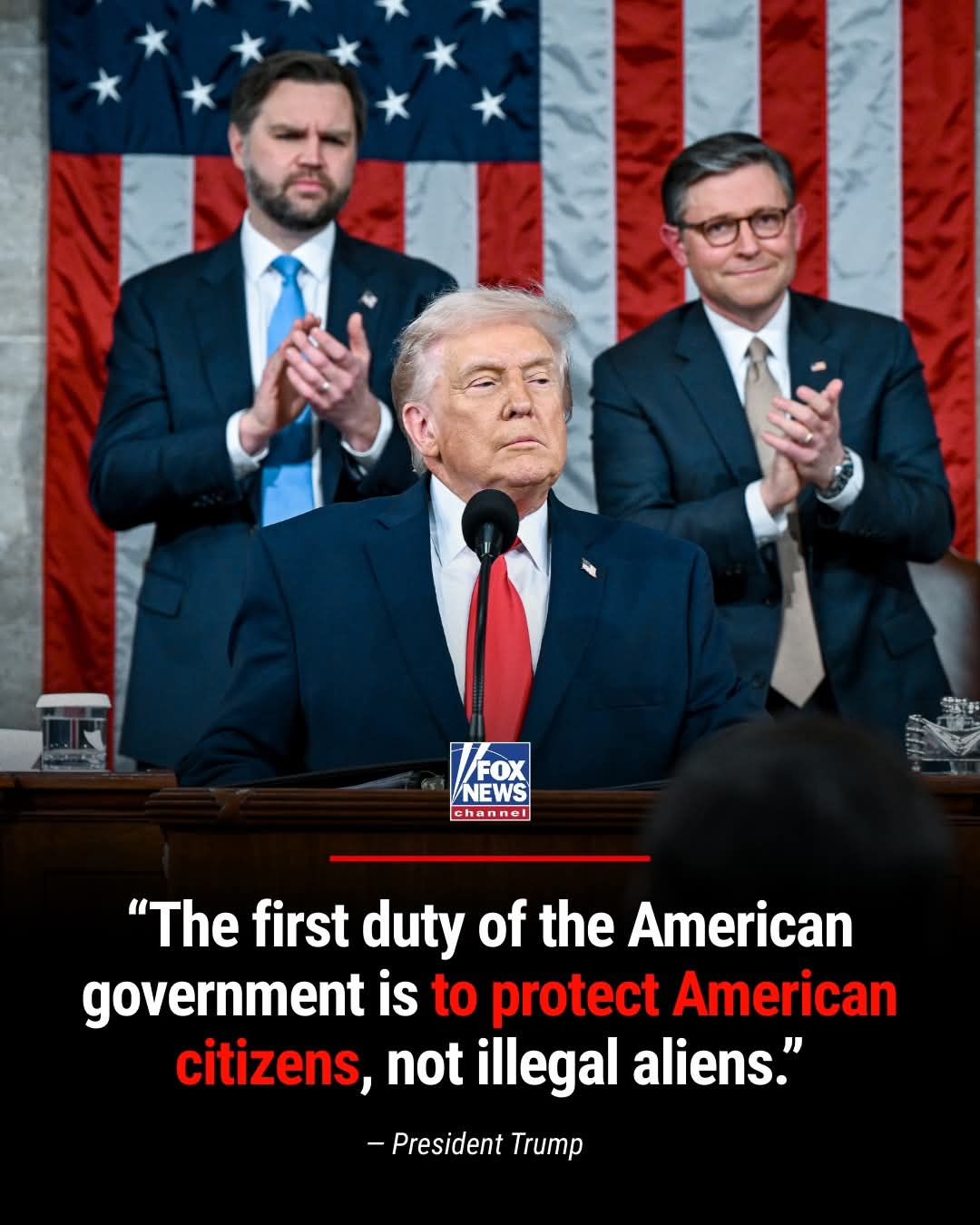
A Message Framed Around Security
U.S. President Donald Trump has declared that the foremost responsibility of the federal government is the protection of American citizens, drawing a clear line between national policy and public safety. Speaking during a policy-focused appearance, Trump reiterated that security must remain the foundation of governance, arguing that every other national objective depends on stability and order at home.
According to the president, the role of leadership begins with safeguarding lives, borders, and institutions. He described safety not merely as a campaign theme but as a governing principle guiding decisions across immigration, law enforcement, and national defense.
Immigration at the Center of the Debate
Trump’s remarks heavily emphasized border enforcement and immigration control. He argued that a country unable to regulate entry within its territory risks undermining both its economy and internal security. The president defended stricter measures introduced by his administration, saying they were designed to deter criminal activity and restore public confidence in the immigration system.
Supporters of the policy say tighter screening procedures and border operations are necessary to address trafficking networks and unauthorized crossings. Critics, however, warn that aggressive restrictions could affect humanitarian protections and damage America’s global image. Despite the disagreement, immigration remains the defining issue shaping the administration’s broader security narrative.
Law Enforcement and Domestic Order
The president also praised law enforcement agencies, describing them as the “front line” of national stability. He pledged continued federal backing for police departments, including expanded resources, training initiatives, and legal protections for officers. Trump said strong policing policies are essential to reducing violent crime and maintaining community safety.
The administration has linked crime reduction efforts with tougher sentencing for repeat offenders and enhanced coordination between federal and local authorities. Officials argue the approach is intended to strengthen public trust by ensuring swift responses to security threats, particularly in urban areas experiencing rising crime concerns.
National Defense and Foreign Policy
Beyond domestic policy, Trump extended the safety argument to military readiness and foreign relations. He stressed that a strong defense posture discourages adversaries and protects American interests abroad. The president highlighted increased military funding and modernization programs as evidence of a broader commitment to deterrence.
He also suggested that diplomatic negotiations must be backed by strength. In his view, peace is best achieved when potential rivals understand the consequences of hostile actions. The administration has therefore linked defense spending with national stability, presenting both as interconnected components of public safety.
Political Reactions and Public Response
The speech quickly drew reactions across the political spectrum. Republican allies praised the message as a reaffirmation of constitutional responsibility, while Democratic leaders argued the administration’s policies risk prioritizing enforcement over civil liberties. Analysts note that public safety messaging has become one of the most influential themes in current political discourse, particularly as voters weigh economic concerns alongside personal security.
Public opinion remains divided. Polling trends suggest that while many Americans support stronger security measures, others worry about potential overreach and the social impact of strict enforcement policies. The debate is likely to intensify as legislative battles over funding and immigration reforms continue.
A Defining Political Theme
Ultimately, Trump’s remarks underscore a broader political strategy centered on security as a unifying national issue. By positioning protection as the government’s primary duty, the administration aims to frame policy debates through the lens of safety and order. Whether the approach resonates widely will depend on future developments in crime rates, border management, and international relations.
For now, the message is unmistakable: the White House intends to make public safety the central measure by which its leadership is judged.