
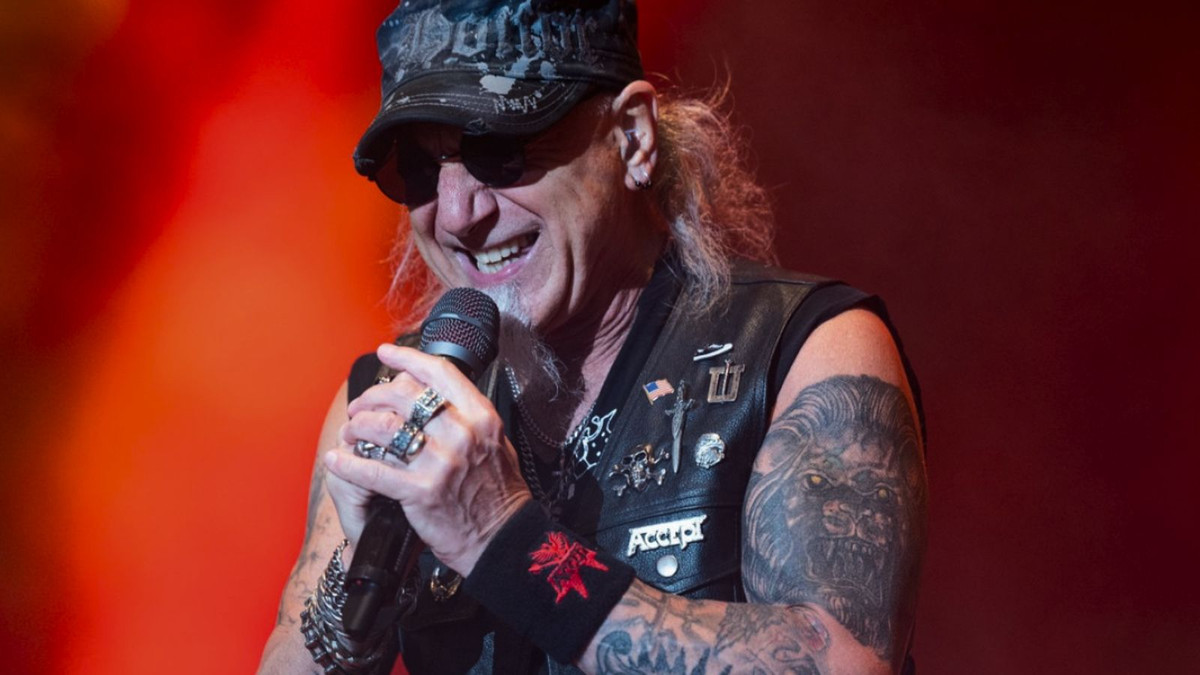
🎸 The debate over the relative lack of mainstream attention for Heavy Metal in the United States continues, and now, a major voice from the genre is weighing in. Accept frontman Mark Tornillo recently offered a candid assessment, arguing that while Metal is a global phenomenon, its subdued presence in the American market is directly linked to the failing priorities of major record labels.
In an interview, the veteran vocalist acknowledged the disparity between metal’s standing in America versus the rest of the world. “Truly, [metal is] not as big here as it is in the rest of the world by any means,” Tornillo stated. “Europe, it’s still huge. South America, it’s huge. Japan, it’s huge. And it’s kind of not the main attraction here; it’s just not.”
The Global Vs. American Divide
Tornillo’s observation highlights a fascinating cultural difference in music consumption. While bands like Accept—pioneers of the German metal scene—can consistently fill large venues and festivals across Europe and Asia, they, along with many other metal acts, face significant challenges touring and achieving profitability in the U.S. market.
The singer clarified a previous controversial comment about the U.S. “not being metal territory anymore,” explaining that the difficulty is logistical and financial. Touring profitability is high where the fan base is large and actively supported by the media infrastructure. The lack of mainstream media support for Heavy Metal in America translates directly into smaller venues and difficulty affording large-scale tours, forcing bands to team up or stick to an underground circuit.
Record Labels: The Mainstream Gatekeepers
The crux of Tornillo’s argument, and the most stinging criticism, is directed squarely at the music industry’s promotion tactics. He believes the genre’s relative obscurity in the U.S. isn’t due to a lack of interest, but a lack of visibility driven by powerful gatekeepers.
“I think it has more to do with the fact that the record companies don’t promote it properly,” Tornillo asserted. He praised his own label, Napalm Records, for their work within the scene, but reserved his criticism for the “mainstream, the big labels.”
These major labels, he claims, are less interested in developing genres with committed but smaller initial fan bases like Metal. Instead, they utilize their vast promotional resources to push genres that promise immediate, widespread appeal and viral success, most notably Pop Music and hip-hop. Tornillo believes that if these labels simply gave the genre a proper platform and aimed it toward younger audiences, the fan base would naturally grow.
The Undying Underground
While pop dominates the charts and metal struggles for radio airplay, Tornillo maintains an optimistic view of the future of the genre. Heavy Metal is known for having some of the most loyal fan bases in the world—a fact even supported by streaming data in some reports.
“They’re more interested in selling Taylor Swift and hip-hop. So it’s what it is. But Heavy Metal will always be there; it’s not going anywhere. It’s just underground again,” he concluded. For now, the U.S. Metal scene remains a passionate, dedicated counterculture, fiercely loyal but struggling for the mainstream exposure that fuels its popularity in virtually every other corner of the globe.

